Alberta is experiencing its worst influenza season in nearly two decades, with hospitalizations and emergency department visits for flu-related illness reaching levels not seen since the 2009 pandemic, prompting health officials to implement new infection control protocols and call for urgent public health action.
Alberta Health Services reported that hospital admissions for influenza have reached 1,247 cases year-to-date, with February alone accounting for 387 admissions. The figure represents a 45% increase compared to the same period last year and the highest monthly total since 2009.
“We are managing a significant surge in respiratory illness that is straining our hospital capacity and requiring us to implement extraordinary measures,” said Dr. Marc Henry, Chief Medical Officer for Alberta Health Services, during a press briefing today. “The predominant strain this season is A/H3N2, which tends to cause more severe illness, particularly in older adults and those with underlying chronic conditions.”
The province has recorded 45 flu-related deaths year-to-date, compared to an average of approximately 15 for the comparable period in recent seasons. While mortality remains below pandemic-era numbers, health officials describe the current situation as urgent.
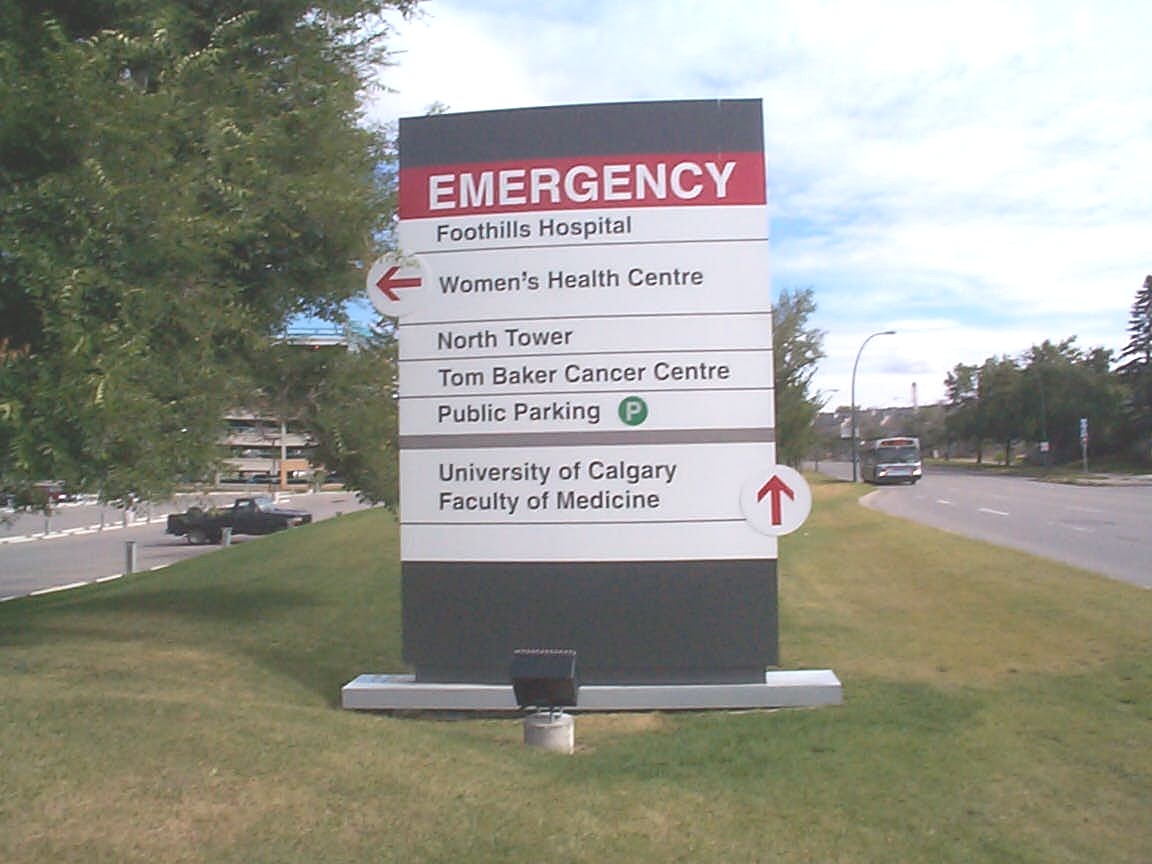
Emergency departments across the province have reported extended wait times and surging patient volumes. Calgary’s Foothills Medical Centre reported average wait times of 6-8 hours for non-urgent patients yesterday, with similar conditions reported at major hospitals in Edmonton and other provincial centers.
In response, the Alberta government has activated surge capacity protocols including delayed elective surgeries at some facilities, temporary expansion of ICU bed capacity, and redeployment of staff from less critical areas to support emergency departments and respiratory units.
“While we have capacity in our system, the combination of this year’s severe flu season, ongoing COVID-19 cases, and seasonal respiratory infections is testing our resources significantly,” Henry explained.
The predominance of the A/H3N2 strain is notable because this particular influenza virus is known for causing more serious illness and complications than other flu strains. It affects older populations disproportionately and is more likely to lead to secondary bacterial pneumonia and other complications.
“A/H3N2 is a vicious strain,” said Dr. Lisa Wong, infectious disease specialist at the University of Alberta. “It tends to cause more severe systemic symptoms and is more likely to progress to lower respiratory infection. The age demographic of severe cases this season confirms this - we’re seeing more people over 65 in our hospitals than in typical seasons.”
Public health officials have issued new recommendations for infection control, urging Albertans to practice respiratory etiquette including covering coughs and sneezes, maintaining hand hygiene, and staying home when ill. Healthcare facilities have been directed to implement enhanced screening protocols and triage procedures.
The province is also urgently encouraging vaccination for those who have not yet been immunized this season. While the current season’s vaccine effectiveness has been moderate, health officials stress that vaccination remains the most effective protection against severe disease.
“We expect this season to peak in early March,” Wong noted. “The good news is that seasonal influenza does eventually run its course as population immunity builds. But we need to remain vigilant and take precautions during this window.”
Pharmacies across Alberta have reported surging demand for over-the-counter cold and flu medications, with some experiencing shortages of certain products. Major pharmacy chains have accelerated orders to replenish inventory.
Community transmission remains high, with public health officials continuing to urge Albertans to be cautious in high-contact settings. Schools have reported increased absenteeism among students and staff due to influenza infection.
Looking ahead, health officials are already planning modifications to Alberta’s vaccination strategy for next season. A higher-dose flu vaccine for seniors and possible modifications to strain selection for the 2026-2027 season are under consideration.
“This season has been a wake-up call,” Henry said. “While we cannot predict future seasons with certainty, we can prepare better. We’re already working with Canadian and international partners to optimize vaccine selection and deployment for next year.”
The Alberta government has also directed health authorities to review surge capacity planning and ensure that protocols for managing respiratory illness outbreaks are current and effective.
Despite the severity of this season, Alberta officials emphasized that the healthcare system is managing the burden and that the situation, while challenging, is within capacity. However, they urged Albertans to exercise caution and follow public health guidance to help reduce transmission during this critical window.