
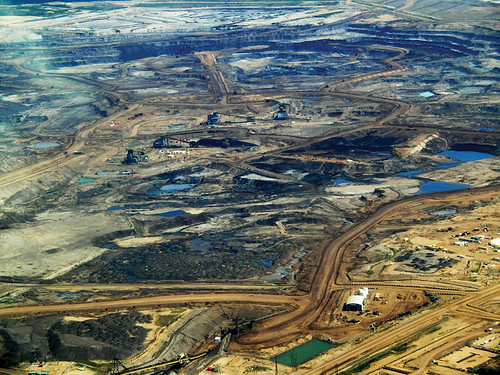
Alberta’s Energy Minister Nathan Park reported receiving multiple inquiries from energy-dependent nations seeking to increase imports of Canadian oil and natural gas supplies in response to geopolitical tensions affecting Middle Eastern energy production.
“We’re receiving calls from energy ministers and officials around the world asking about Canadian supply options,” Park said. “The current geopolitical situation is reminding countries of the importance of diversified energy supplies from reliable, stable partners.”
The inquiries reflect recognition that Canada represents a stable, democratic nation with substantial energy reserves and the capability to expand production and exports. Energy security has become increasingly important to nations concerned about reliance on energy supplies from geopolitically unstable regions.
European countries, which have been seeking alternatives to Russian energy supplies since 2022, have expressed particular interest in Canadian energy options. Some European nations have indicated willingness to consider long-term contracts for Canadian liquefied natural gas supplies.
“Europe is diversifying away from Russian energy and recognizing that Canadian supply represents an attractive option,” noted Elena Kowalski, International Energy Analyst. “Climate policies have slowed European fossil fuel development, creating energy deficits that require imports. Canada can help fill that gap.”
Asian nations, including Japan and South Korea, have also expressed interest in expanding Canadian energy imports to their markets. These nations depend on global energy markets and are concerned about price volatility and supply reliability associated with Middle Eastern tensions.
The Canadian government is positioning the nation as a preferred energy partner, emphasizing stable governance, reliable supply, and commitment to environmental standards in energy production.
“Canada offers something no other major energy supplier can match: stable democracy, respect for international law, environmental standards, and reliable supply,” Park emphasized. “That’s valuable to energy-dependent nations looking for long-term security.”
The interest in Canadian energy is creating potential economic opportunities for Alberta and Canada more broadly. Increased energy production could generate government revenue, employment, and economic growth.
However, energy expansion faces various constraints, including capital requirements for production and export infrastructure, regulatory processes, and environmental considerations. Expanding energy exports to new markets would require significant new infrastructure investment.
“The interest is gratifying and represents real opportunity,” noted Michael Chen, Energy Industry Analyst. “But moving from inquiries to actual trade requires capital investment in production and infrastructure. That doesn’t happen overnight.”
The Canadian government has committed to facilitating energy sector development while maintaining environmental standards and indigenous consultation requirements. Balance between energy development and environmental commitments remains an ongoing policy tension.
“Canada’s energy advantage is partly based on our environmental standards and responsible production practices,” noted External Affairs Minister Jennifer Wu. “That’s what differentiates Canadian supply from alternatives. We need to maintain that advantage while meeting global demand.”
The situation illustrates the geopolitical importance of energy security and the value of reliable, stable energy suppliers in a global marketplace affected by political tensions and supply vulnerabilities.
Energy companies in Canada are monitoring the geopolitical situation and considering expansion opportunities if long-term demand contracts materialize. The regulatory pathway for new production and export infrastructure remains a constraint on rapid expansion.