
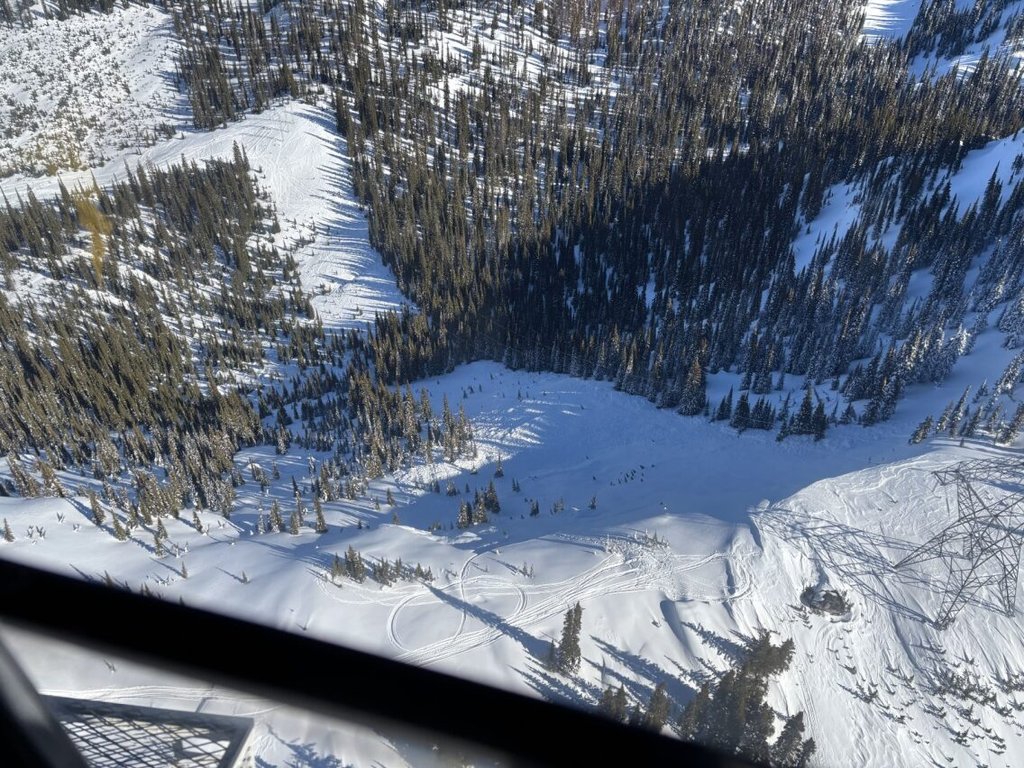
The rugged terrain of the British Columbia interior has claimed another life following a tragic incident in the Kootenay Pass. On Wednesday, February 28, a snowmobiler was caught in an avalanche that ultimately proved fatal. Local authorities were alerted to the situation shortly after noon, marking yet another somber chapter in what has been a challenging season for backcountry enthusiasts across the province.
The incident occurred in the high elevation areas of the pass, a region known for its breathtaking vistas and equally formidable snow conditions. According to reports from the police, the notification regarding the avalanche came in at approximately 12:10 p.m. It appears the victim was riding a snowmobile when the slide was triggered, highlighting the delicate balance between recreational adventure and the unpredictable nature of the mountains.
The Perils of the Pass
Kootenay Pass serves as one of the highest highway points in Canada that remains open throughout the winter, making it a favourite destination for those seeking fresh powder and challenging slopes. However, the same geography that attracts snowmobilers also creates significant risks. The mountain passes in British Columbia are notorious for their shifting snowpacks, where a layer of heavy snow can easily slide over a weaker base.
I believe this tragedy serves as a stark reminder of how quickly conditions can change in the high country. Even for experienced riders, the variables of wind, temperature, and terrain can combine to create a lethal environment. While the specific details surrounding the snowpack on that Wednesday are still under review, the Kootenay region is frequently subject to avalanche warnings throughout the winter months. The sheer scale of the mountains often means that help is a significant distance away when a crisis occurs.
Ongoing Safety Concerns
This latest fatality brings the dangers of backcountry recreation back into the national spotlight. Emergency crews and search and rescue teams often face immense challenges when responding to calls in these remote areas. The logistical hurdles of reaching a slide site at high elevation, especially during active weather cycles, can complicate recovery and rescue efforts significantly.
Authorities have not yet released the identity of the individual involved, pending the notification of next of kin. In the wake of this loss, there is an renewed emphasis on the importance of carrying proper safety equipment, such as transceivers, probes, and shovels. More importantly, the incident underscores the necessity of checking local avalanche forecasts before heading into the wilderness. Neighbouring communities often feel these losses deeply, as the tight knit community of outdoor enthusiasts is forced to grapple with the reality of mountain hazards.
As the investigation into the Kootenay Pass slide continues, the focus remains on understanding the mechanics of the event and fostering a culture of safety for all who venture into the British Columbia backcountry. The centre of this discussion remains the need for constant vigilance in the face of nature’s power.