
The federal government finds itself in a state of high alert this week as military developments in the Middle East take a sharp turn toward open escalation. Following a series of strategic strikes by the United States against Iranian targets, Canada has officially moved to support its southern neighbour, signalling a significant shift in the regional security landscape. The decision to back the American kinetic response comes at a moment of extreme tension, leaving Canadian officials to navigate a complex path between military alliance and the preservation of global stability.
A Delicate Balance of Force and Diplomacy
In the wake of the strikes, the atmosphere in Ottawa has been described as one of intense and frantic activity. Sources indicate a scramble for secure communication as officials coordinate with international partners and assess the immediate impact of the unfolding war. Despite the clear alignment with American military objectives, the Canadian government is attempting to maintain a rhetorical foothold in the camp of de-escalation.
Foreign Affairs Minister Anita Anand has been at the forefront of this messaging. While acknowledging the necessity of the current military stance, Anand maintains that the federal government still wants to see a ‘diplomatic solution’ to the crisis. This dual track approach, supporting active combat operations while simultaneously calling for a return to the negotiating table, represents a difficult balancing act for the Department of Foreign Affairs. It remains to be seen, however, whether such a balance can be maintained as the conflict in Iran intensifies and the potential for a broader regional conflagration grows.
Leadership Absence and Public Perception
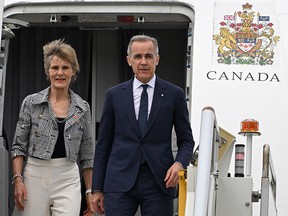
While Minister Anand and her department were managing the immediate fallout of the strikes, the absence of the head of government has not gone unnoticed. Prime Minister Mark Carney remained away from the public eye, honouring a previously scheduled personal day even as news of the military action broke. The timing of this absence has raised questions about the optics of leadership during a national security emergency.
I think this signals a potential challenge for the Prime Minister’s Office, as the contrast between a personal day and an unfolding international conflict can be difficult to reconcile in the eyes of the public. While a leader’s staff and cabinet are designed to function in their absence, the symbolic weight of the Prime Minister’s presence is often expected during times of war.
The situation in the Middle East continues to evolve with significant speed. As the Canadian defence establishment monitors the theatre of operations, the focus in the capital remains on ensuring the safety of Canadian interests and personnel abroad. The coming days will likely test the resolve of the Carney government as it seeks to reconcile its military commitments with its stated preference for peace. For now, the scramble for information continues, and the hope for a ‘diplomatic solution’ remains the official, if increasingly strained, position of the government.