

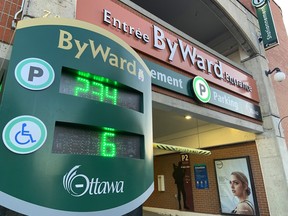
The ByWard Market stands as one of the most recognizable landmarks in the nation’s capital, a vibrant hub where the bright colours of outdoor stalls and the history of commerce intersect. Yet, a recent proposal from the Mayor’s office has sparked a significant debate about how visitors should experience this historic neighbourhood. Mayor Mark Sutcliffe is advocating for a new three hour limit on street parking, a policy intended to ensure that vehicles do not remain stationary for too long. While the goal is to increase turnover and provide more opportunities for drivers to find a spot, the move has raised questions about the city’s broader objectives for urban revitalization.
The proposed regulations represent a shift in how the city manages its busiest commercial zones. By limiting stays to three hours, the municipal government hopes to keep the flow of traffic moving and encourage a constant stream of new customers for local vendors. However, this logistical approach seems to clash with the city’s own internal modelling. Those projections suggest that for the ByWard Market to truly thrive as a revitalized destination, it needs to be a place where visitors feel comfortable staying for extended periods of time.
The Conflict Between Access and Atmosphere
The core of the issue lies in the tension between moving cars and engaging people. A three hour cap may be effective for those popping into a shop for a quick errand, but it poses a challenge for those who view the Market as a full day destination. If a visitor wants to enjoy a long lunch, browse the various boutiques, and perhaps visit a nearby gallery, they may find themselves constantly checking their watch to ensure they are not in violation of the new rules.
I think this signals a potential disconnect between the desire for efficient parking management and the goal of creating an inviting urban environment. When we prioritize the turnover of vehicles, we might inadvertently discourage the slow paced exploration that defines the best tourist and cultural centres. If the city wants a district that feels like a shared living space for residents and tourists, a strict time limit on parking creates a sense of urgency that is at odds with that vision.
Economic Implications for the District
Local business owners are watching these developments with a mixture of hope and concern. On one hand, more turnover could mean more unique customers throughout the day. On the other hand, the ByWard Market is a place built on the idea of the favourite local haunt where people linger over coffee or a meal. If patrons feel they must rush back to their cars to avoid a ticket, they may choose to dine elsewhere or shorten their shopping trips.
The city’s defence of the plan rests on the idea that better parking availability will ultimately benefit everyone. Yet, if the neighbourhood becomes a place where people only stay for a short window of time, the very character of the Market could change. As Ottawa continues to analyse its options for the future of the district, the balance between practical traffic solutions and the desire for a relaxed, inviting atmosphere remains a difficult needle to thread.