

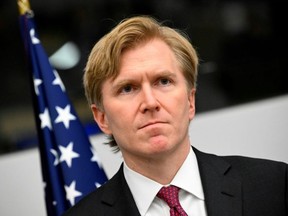
The geopolitical landscape of the Middle East underwent a seismic shift this week following the confirmation of the death of Ayatollah Khamenei. While initial reports and various rumours swirled regarding the origins of the fatal strike, Elbridge Colby, the U.S. Under Secretary of Defence for Policy, has officially clarified the situation. According to Colby, the operation was an Israeli airstrike and did not involve direct military intervention by the United States.
This clarification comes at a time of heightened tensions across the globe. By distancing the United States from the tactical execution of the strike, the Pentagon appears to be seeking a balance between supporting its allies and managing its own strategic footprint. Colby emphasized that the American objectives in Iran were “scoped and reasonable” throughout the period leading up to the event.
Defining the American Involvement
The distinction made by the Pentagon is crucial for international diplomacy. In the hours following the news, several world leaders had called for restraint, fearing that direct American involvement would lead to a broader, uncontrolled escalation. By identifying Israel as the sole actor in this specific engagement, the U.S. defence establishment is highlighting a separation of tactical operations from its own broader diplomatic goals.
Colby’s description of American goals as being “scoped and reasonable” suggests a policy aimed at containment rather than regime change or total war. I think this signals a calculated effort by the current administration to avoid the protracted conflicts that have defined the last two decades of Western foreign policy. This approach focuses on maintaining regional stability through intelligence sharing and diplomatic pressure, rather than through the direct use of American munitions.
Global Reaction and Analysis
For Canada and its neighbours, the fallout of this event remains a primary concern. Diplomats in Ottawa must now analyse how the death of such a central figure creates a power vacuum that could lead to internal power struggles or a shift in the foreign policy of Iran. Canadian officials are likely monitoring the situation closely, especially regarding the safety of diplomatic personnel and the stability of global energy markets.
The incident is already colouring the way international observers view the security of the region. While some see the strike as a necessary measure for regional safety, others worry about the long term implications for diplomatic discourse. The Israeli government acted on its own licence to defend its borders, yet the ripple effects are felt by every nation with interests in the area.
Regional Security Implications
The use of precision airstrikes as a tool of foreign policy continues to be a point of debate in international law. While Israel maintains that its actions are a matter of national defence, the global community is often left to manage the resulting political volatility. The Pentagon’s insistence on the “scoped and reasonable” nature of its own objectives indicates a desire to remain a stabilizing force, even as regional actors take more assertive paths.
As the world watches the transition of power within Iran, the focus will undoubtedly remain on whether this “scoped and reasonable” approach can prevent further bloodshed. This moment serves as a reminder that the specific actions of individual nations carry their own distinct weight and honour, even within a complex web of global alliances.