
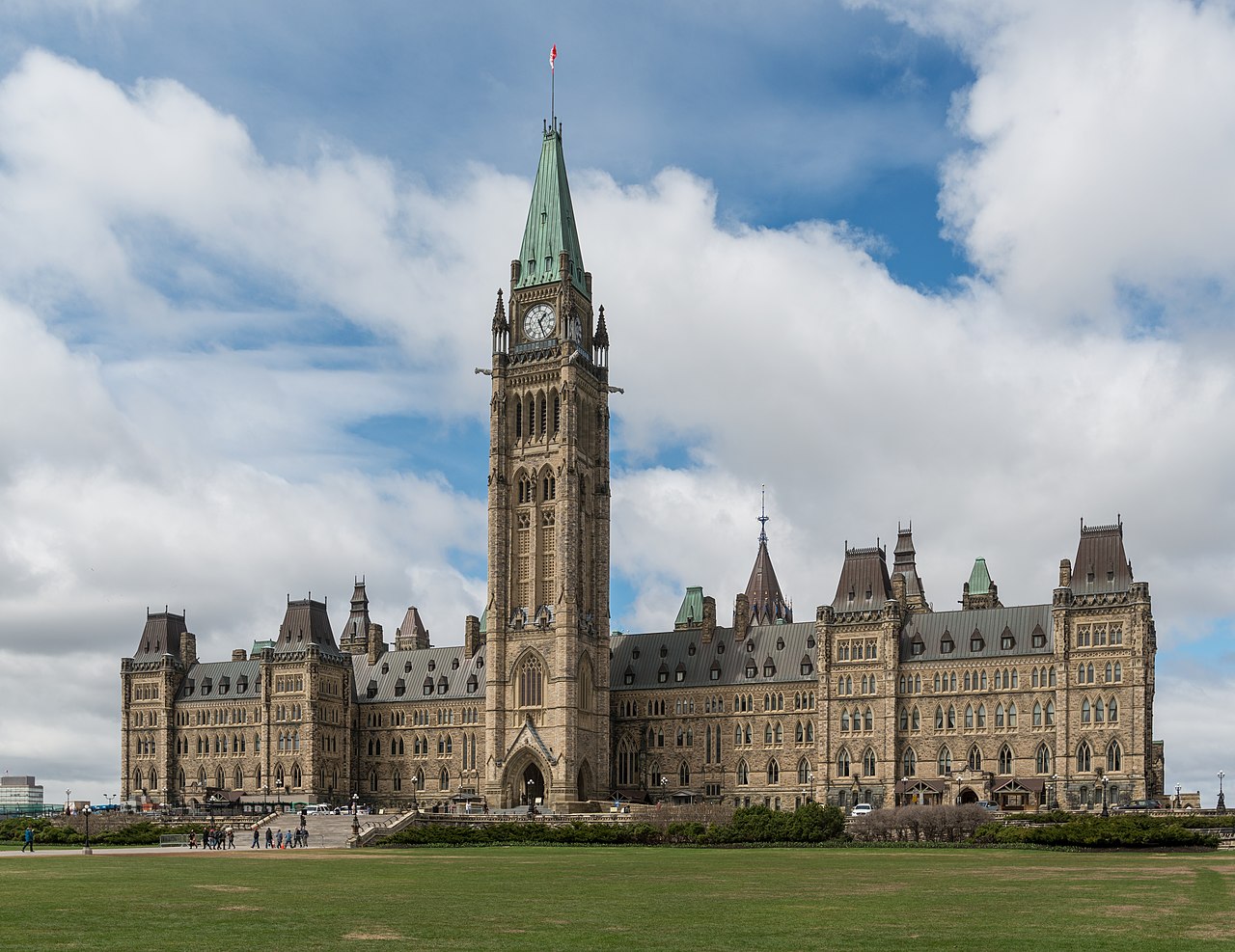
Ottawa has long carried the reputation of being the city that fun forgot, a place where the most exciting event of the week is a particularly brisk walk along the Rideau Canal. We wear this boredom like a badge of honour, finding comfort in the predictable rhythms of a government town. However, the events of this past week have shattered that illusion of sleepy safety. From tragic collisions to the grim discovery of human remains and even the surreal intrusion of aggressive wildlife, Ottawa is currently showing us a face that is far more raw and unpredictable than any of us are used to seeing.
A Tragedy That Was Entirely Avoidable
The most harrowing news came from the intersection of Rideau and Cobourg streets on a recent Wednesday morning. A fatal collision, where an SUV crashed into a drop in centre, left one person dead and four others injured. This was not just a freak accident; it was a violent intrusion into a space meant for the most vulnerable members of our community. When a vehicle enters a sanctuary like a drop in centre, it forces us to ask uncomfortable questions about the way we have designed our downtown core.
For years, urban planners and residents have debated the balance between vehicle access and pedestrian safety in the heart of the city. We have prioritised the flow of cars over the lives of those who walk, roll, or seek refuge on our sidewalks. This tragedy should serve as a wake up call for the municipal government and for urban centres across Canada. We cannot continue to treat high speed traffic in dense neighbourhoods as an inevitable reality. If we cannot guarantee the safety of people standing inside a building, then our urban design has failed fundamentally. It is time to stop the endless analysis and start implementing physical barriers and traffic calming measures that put human life before commuting convenience.
The Long Shadows of the Missing
While the crash on Rideau Street was a sudden shock, another story brought a different kind of heaviness to the capital. The discovery of human remains near the site where a Greely man was last seen in 2019 has reignited a conversation about the persistence of grief and the agonizing wait for answers. While the Ottawa police are currently awaiting DNA test results, the potential breakthrough in this years-old case reminds us that for every missing person in this country, there is a family frozen in time.
The Greely case is a stark reminder of how thin the line is between our quiet suburban lives and the mysteries that can swallow a person whole. In a city like Ottawa, where we pride ourselves on order and transparency, these unresolved disappearances feel like a tear in the fabric of our community. I hope that these results bring the closure that has been denied for so long. It also highlights the necessity of supporting our local forensic and investigative units, ensuring they have the resources to follow these threads to their ends, no matter how many years have passed.
When the Wild Reclaims the Pavement
On a lighter, though no less peculiar note, the city has been buzzing about an Ottawa resident’s close encounter with a pair of aggressive wild turkeys. While the video of the encounter might seem like a bit of comic relief amidst the heavier headlines, it points to a larger trend in Canadian urban life. Our wild neighbours are no longer content to stay in the greenbelts. Whether it is turkeys in the suburbs or coyotes in our parks, the boundaries between the natural world and our paved environments are blurring.
Some might laugh it off as just another quirk of living in a northern capital, but it reflects a change in urban wildlife behaviour that we are not entirely prepared to manage. We want to be a green city, a place where nature is respected, yet we often lack the policy framework to handle these interactions safely. It is a reminder that even in a city of concrete and committee meetings, we are still part of a larger, untamed ecosystem.
Ottawa is changing. It is no longer just a backdrop for federal politics or a quiet place to raise a family. It is a city facing the complexities of urban violence, the haunting ghosts of its past, and the encroaching wild. We owe it to ourselves to stop pretending this is the same sleepy town it was twenty years ago. We must demand better safety for our streets, more support for the families of the missing, and a more thoughtful approach to how we share our space with the world around us. Only then can we truly call this city a home for everyone.