
In the wake of the expanding conflict with Iran, the United States finds itself facing a domestic security crisis that is testing the limits of its enforcement capabilities. As the war overseas intensifies, experts are sounding the alarm that the agencies responsible for national safety are becoming dangerously overextended. This internal strain comes at a time when the risk of retaliatory terror attacks on American soil has reached levels not seen in years, creating a precarious environment for national defence.
A System Under Pressure
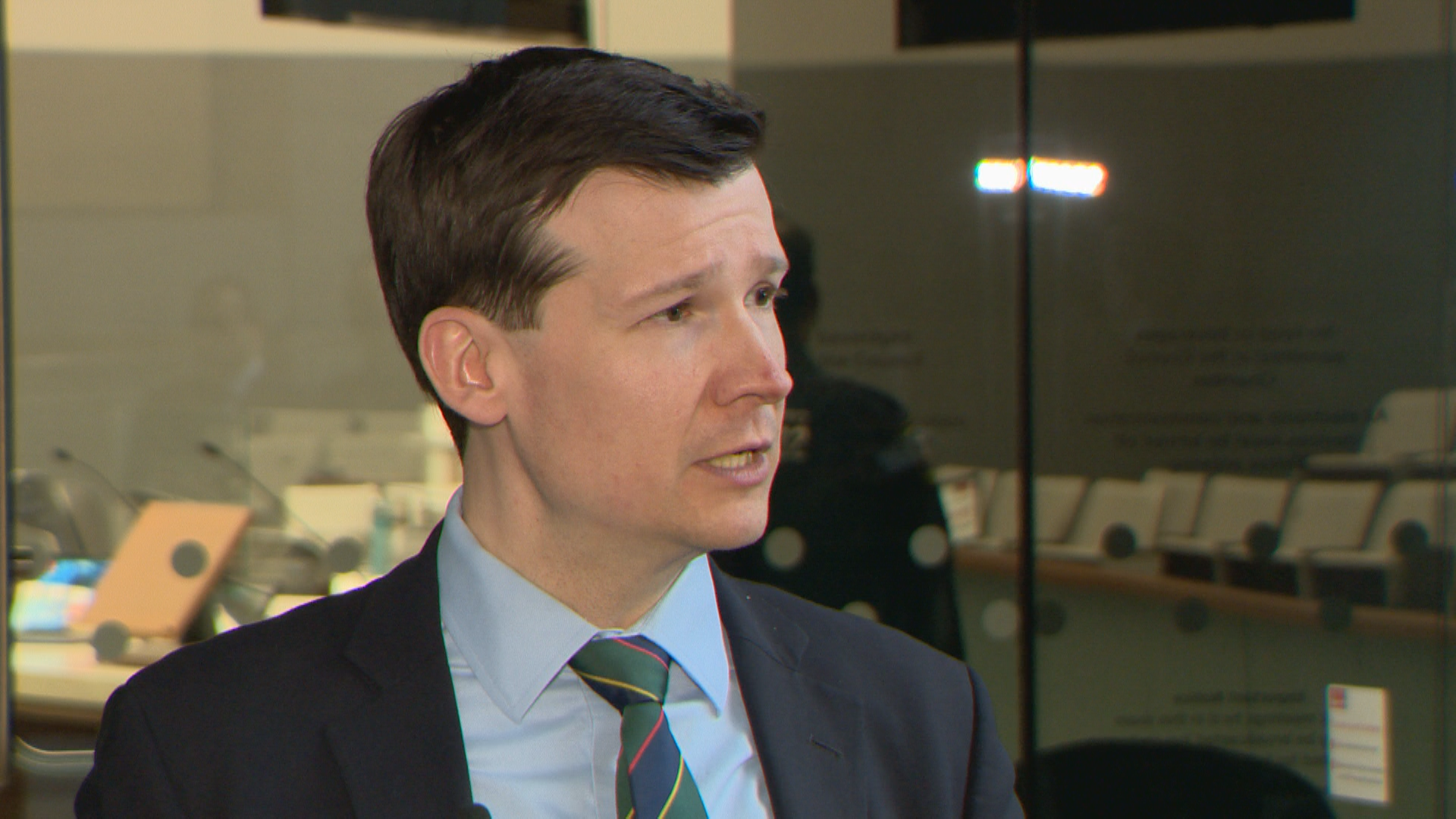
The primary concern among security analysts is the sheer volume of threats that federal and local agencies must now monitor. With significant resources diverted to support the war effort and monitor international interests, the domestic front is feeling the pinch. Experts suggest that organisations such as the FBI and the Department of Homeland Security are struggling to keep pace with the intelligence gathering required to prevent potential strikes. This lack of bandwidth is not merely a logistical headache; it represents a significant vulnerability in the nation’s security architecture.
When looking at the current state of affairs, I think this signals a period of unprecedented volatility for North American security. The focus on foreign theatres of war often leaves the interior exposed, and the current situation with Iran is no exception. Officials are being forced to prioritise certain investigations over others (a practice that carries inherent risks) because there are simply not enough boots on the ground or eyes on the screens to cover every possibility.
Diplomatic Efforts Amidst Rising Tensions
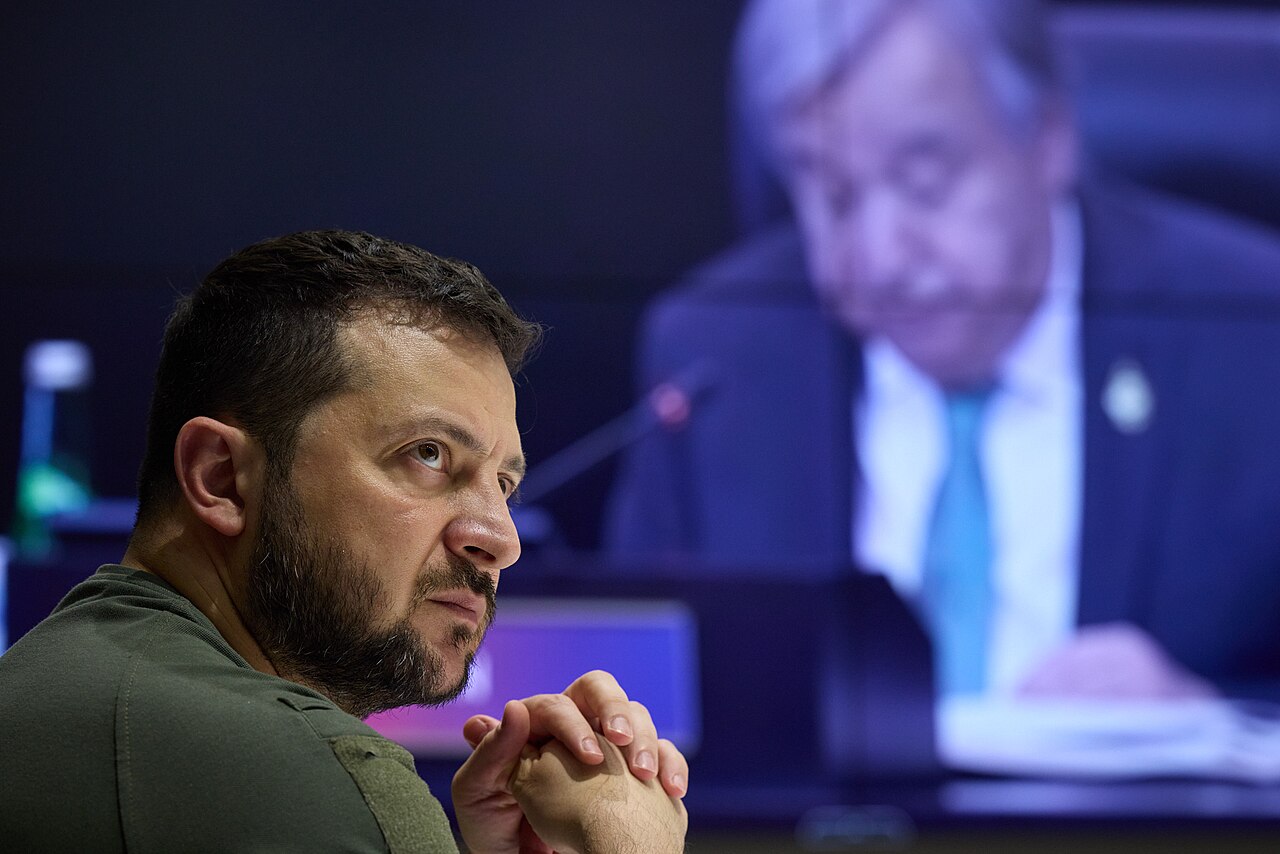
The gravity of the situation was underscored this week during a high level meeting at the White House. On March 3, 2026, President Donald Trump hosted German Chancellor Friedrich Merz in the Oval Office to discuss the ongoing war and the collaborative measures needed to stabilise the international order. While the public focus of such meetings often centres on military strategy and economic sanctions, the underlying subtext is one of shared security burdens.
Chancellor Merz and President Trump discussed the need for a unified front, yet the reality remains that the United States is bearing a massive portion of the enforcement load. As the war enters a more aggressive phase, the demand for surveillance, border protection, and counter-terrorism operations has spiked. Analysts warn that if the conflict continues to drain these agencies, the likelihood of a domestic incident increases.
The Expert Consensus
The consensus among those who analyse national security is clear: the current trajectory is unsustainable. If enforcement agencies are spread too thin, they cannot effectively track every lead or secure every soft target. The domestic theatre requires a level of attention that is currently being sacrificed for the sake of the broader military engagement in the Middle East.
As the administration continues to navigate this complex conflict, the pressure on domestic law enforcement will likely remain a central point of contention. For now, the United States must find a way to balance its global ambitions with the fundamental requirement of keeping its citizens safe at home, a task that grows more difficult with each passing day.