
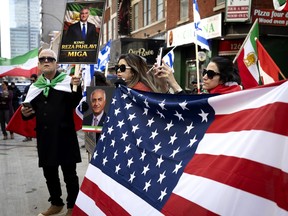
The streets of Montreal became a focal point for intense political discourse this week as members of the Iranian Canadian community and their supporters gathered to demand a systemic shift in Tehran. While international headlines often focus on the fear of escalating conflict in the region, these demonstrators presented a different perspective; they stood in solidarity with those seeking to dismantle the current Iranian administration. Many in the crowd held signs that voiced a clear and perhaps surprising sentiment of gratitude toward U.S. President Donald Trump for his recent military strikes against Iranian military leadership.
A Call for Transformation
For those gathered in the city centre, the recent loss of life within Iran is a source of profound mourning, yet it has not dampened the call for a new era of governance. The atmosphere was one of resolve. Protesters argued that the current leadership has long suppressed the rights of its citizens, leading to a state of constant internal tension and economic hardship. By supporting external pressure, these individuals believe they are advocating for the long term freedom of their families and friends back home.
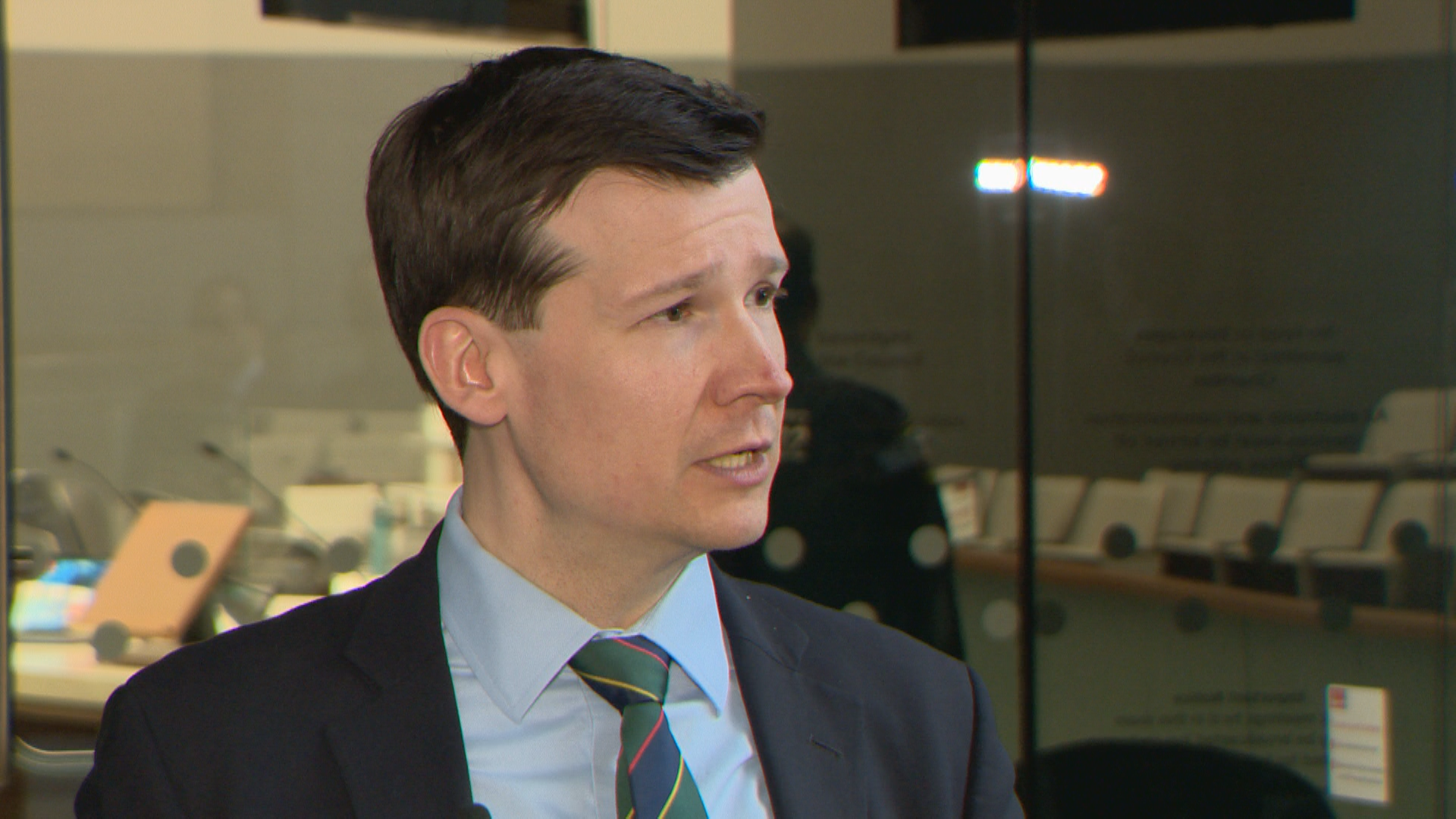
Mahbod Nazeri, a prominent voice at the demonstration, articulated the nuance of their position. Despite the deaths in the country, Nazeri explained that the movement is not rooted in a desire for destruction. He stated that the protesters’ key message was: “The war isn’t against Iran. It’s for Iran.” This distinction is vital for understanding the motivations of the Montreal group; they see military intervention not as an attack on the Iranian people, but as a necessary catalyst to remove a government they view as an internal oppressor.
Navigating International Intervention
The decision to thank a foreign leader for military strikes is a complex one, particularly within the diverse landscape of Canadian political thought. However, for many at this rally, the situation has reached a breaking point where internal reform seems impossible without some form of external assistance. I think this signals a shift in how some diaspora communities view the intersection of global security and human rights. They appear willing to support controversial measures if those measures lead toward the eventual collapse of the regime.
The demonstration in Montreal reflects a broader national conversation regarding Canada’s role in the Middle East and how the federal government should interact with Tehran. As the crowd chanted slogans for liberty, the message was clear: the status quo is no longer acceptable to them. The protesters remain hopeful that the international community will continue to apply pressure, viewing the recent strikes as a potential turning point in a struggle for self determination lasting decades. By framing the conflict as a fight for the country rather than against it, organisers hope to garner wider support for their vision of a transformed and democratic Iran.