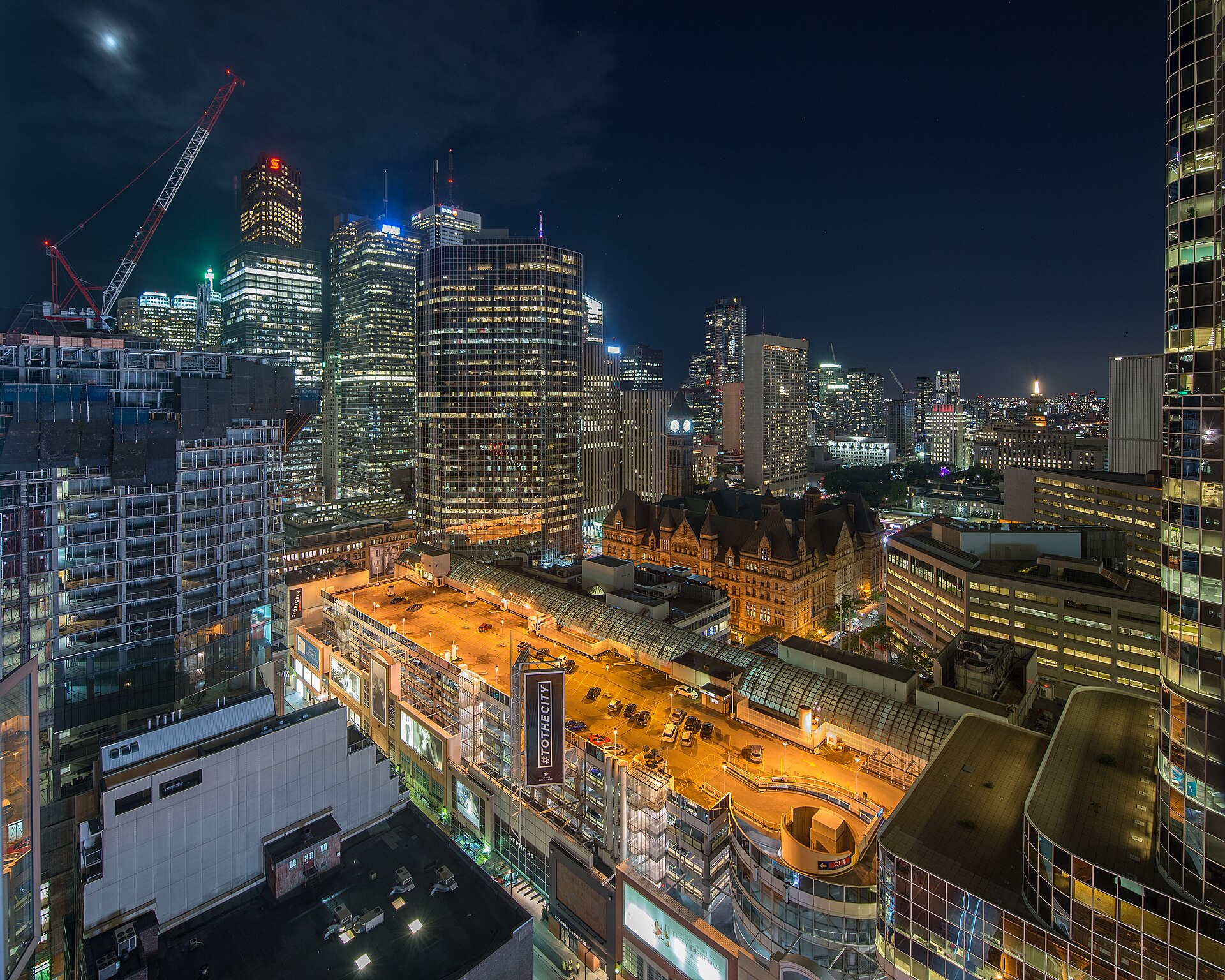
Toronto City Council voted 23-2 to approve the largest urban redevelopment project in the city’s history, greenlighting a $9.8 billion transformation of the Port Lands that will create 12,000 new residential units and fundamentally reshape the waterfront.
The ambitious plan covers 880 acres of former industrial land east of downtown, converting contaminated brownfields into a mixed-use neighbourhood with parks, schools, retail space, and critically needed housing.
Mayor Olivia Chow called it “a once-in-a-generation opportunity to build complete communities the right way, learning from past mistakes where we built towers without the infrastructure people need.”
The project’s housing component includes a mandated affordability mix: 20% below-market rentals, 15% affordable ownership units, and 65% market-rate housing. That distribution aims to prevent the income segregation that has plagued some Toronto developments.
Infrastructure represents a massive component of the budget. The plan includes a new streetcar line connecting the Port Lands to Union Station, two new schools, a community centre, and extensive flood protection measures essential for making the low-lying land habitable.
Waterfront Toronto, the tripartite agency managing the project, has already spent $1.3 billion on flood remediation and soil decontamination. CEO George Zegarac said the environmental cleanup alone required removing 400,000 cubic meters of contaminated soil.
The development timeline spans 15 years, with the first residential buildings expected to be ready for occupancy by late 2029. Full build-out won’t complete until 2041, requiring sustained political and financial commitment across multiple election cycles.
Funding comes from a complex mix of federal and provincial infrastructure grants, municipal bonds, and developer contributions. Land sales to private developers will help finance public infrastructure, though critics warn this model creates pressure to maximize revenues over community benefits.
Housing advocates praised the affordability requirements but argued they don’t go far enough given Toronto’s housing crisis. “Twenty percent below-market is better than zero, but we need 40-50% affordable housing in new developments if we’re serious about addressing the crisis,” said Alejandra Ruiz Vargas of the Parkdale Neighbourhood Land Trust.
Business groups supported the plan, noting that the new streetcar line will improve access to employment lands and reduce car dependency. The Toronto Region Board of Trade estimated the development could create 8,000 construction jobs and 15,000 permanent positions in retail and services.
Environmental groups expressed concern about greenspace allocation, arguing that too much parkland was sacrificed to maximize development density. The plan dedicates 18% of the land to parks and public space, below the 25% some advocates sought.
The project represents a dramatic shift for an area that housed heavy industry for over a century. Soil contamination from manufacturing, shipping, and waste disposal required extraordinary remediation before residential development became feasible.
Success will depend on careful phasing that builds community amenities alongside housing. Too often, Toronto has approved large developments where towers rise years before promised parks, transit, and services materialize.