

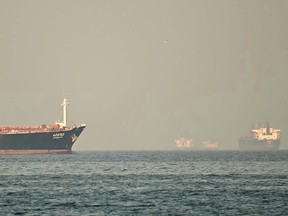
Washington has signaled a dramatic escalation in its commitment to maritime security within the Middle East, as President Donald Trump announced that the United States will now insure and escort oil tankers traversing the volatile Strait of Hormuz. This decision arrives amid heightening tensions between the American administration and Iran, a conflict that has previously threatened to disrupt the passage of crude oil through one of the most critical naval chokepoints in the world.
The move represents a significant shift in policy, as the U.S. government essentially steps in to provide a financial and military safety net for private shipping companies. By offering insurance, the administration seeks to stabilize a market that has seen premiums skyrocket due to the perceived risk of regional hostilities. Furthermore, the promise of military escorts suggests a more active role for the American navy in providing a physical defence against potential interference or seizures. The United States aims to honour its role as a guarantor of freedom of navigation, ensuring that the global economy is not held hostage by regional disputes.
A Commitment to Global Energy Markets
In a recent statement shared across social media, the President clarified the intentions behind this strategic pivot. “No matter what, the United States will ensure the FREE FLOW of ENERGY to the WORLD,” he posted, underscoring a desire to prevent economic shocks that could result from a blockade or a series of maritime incidents. This bold declaration serves to reassure international partners and market observers that Washington is prepared to use its vast resources to maintain the status quo in global energy distribution.
For Canada, a nation that maintains a keen interest in global energy stability and maritime safety, these developments are of particular importance. While the Canadian government often emphasizes the importance of multilateral cooperation, the unilateral nature of this American pledge could alter the dynamics of international naval coalitions in the region. I think this signals a significant transition toward a more assertive American posture that prioritizes energy security over traditional diplomatic caution.
Navigating Regional Volatility
The Strait of Hormuz remains a focal point for geopolitical friction because nearly a fifth of the world’s daily oil consumption passes through its narrow waters. Any disruption here has the potential to trigger a global recession, making the security of this waterway a matter of national interest for almost every industrialized economy. By taking the lead on both the financial and physical protection of these vessels, the United States is attempting to insulate the global economy from the direct consequences of the ongoing Iran conflict.
The financial implications for the American taxpayer remain to be seen, as providing insurance for such high-risk ventures involves substantial potential liability. However, the administration appears to believe that the cost of inaction, which could include spiralling fuel prices and broad economic instability, far outweighs the expense of these protective measures. As the situation continues to evolve, the international community will be watching closely to see how this policy impacts the behaviour of regional actors and the overall safety of international shipping lanes.