
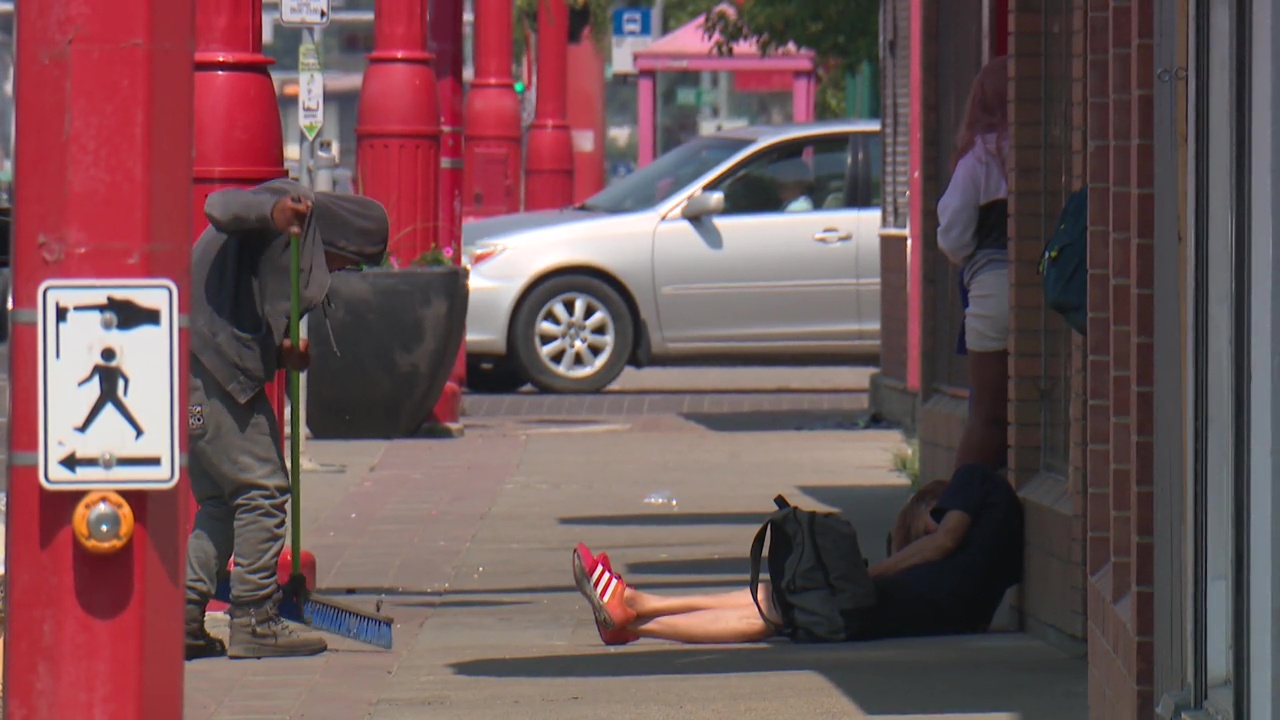
Edmonton’s historic Chinatown district is beginning to witness a long-awaited transformation. After several years of navigating complex social and economic hurdles, the area is showing tangible signs of recovery and renewed interest. In an effort to sustain this upward trajectory, the City of Edmonton is currently evaluating three distinct initiatives designed to foster a cleaner, safer, and more vibrant urban environment. These proposals represent a multifaceted approach to revitalization, focusing on physical maintenance, infrastructure, and residential growth.
Reimagining the Local Environment
The first of these initiatives involves the establishment of a dedicated community cleanup group. Such a team would serve as a constant presence on the ground, addressing litter and maintaining the general aesthetic of the neighbourhood. By investing in a local team, the city hopes to instill a greater sense of pride among residents and business owners alike. A clean streetscape is often the first step in attracting visitors back to a district that has historically struggled with its public image. This programme would focus on the immediate needs of the streets, ensuring that the heart of the community reflects the care and honour the area deserves.
Equally significant is the proposal to modify the 97 Street bridge. This structure serves as a primary gateway into Chinatown, yet it has often been viewed as a barrier or a site of concern for pedestrians. By exploring changes to the bridge, officials are looking to improve the flow of traffic and the safety of the corridor. Whether through lighting upgrades, structural alterations, or cosmetic enhancements, the goal is to make the entrance to Chinatown feel more welcoming and less industrial. Improving this specific point of transit is seen as vital for connecting the district with the rest of the downtown core.
Building for the Future
The third pillar of the city’s strategy extends into the neighbouring Quarters district, where housing incentives are being considered. I think this signals a necessary shift toward a more permanent solution for the area’s economic health; by encouraging developers to build in the Quarters, the city can increase the local population density. A higher concentration of residents typically leads to increased foot traffic for local businesses and a more self-sustaining community ecosystem.
These housing incentives are designed to bridge the gap for developers who might otherwise be hesitant to invest in the inner city. By offering financial or regulatory perks, Edmonton aims to see more cranes in the sky and more people calling the downtown fringe home. While the road to full revitalization remains long, the combination of these three initiatives suggests a coordinated effort to address both the immediate needs of Chinatown and the long-term vision for the Quarters. If approved, these measures could provide the necessary framework to turn recent improvements into a lasting legacy for one of Edmonton’s most culturally significant neighbourhoods.