
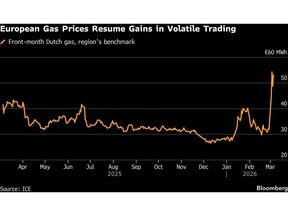
The energy landscape in Europe is currently undergoing a period of significant turbulence. Natural gas prices have surged once again, marking the sharpest rally the market has seen in several years. This sudden upward trajectory is primarily driven by the escalating conflict in the Middle East, which continues to cast a shadow of uncertainty over global energy markets. For many observers, this development serves as a stark reminder of how sensitive the European energy infrastructure remains to geopolitical events occurring far beyond its borders.
Geopolitical Instability Rattles Markets
The primary factor behind this recent price spike is the ongoing war in the Middle East. As the conflict persists, it has begun to disrupt critical energy flows, causing widespread concern among traders and policymakers alike. The market is reacting to the possibility that supply routes could be compromised; production facilities may also face operational hurdles. This climate of uncertainty has triggered a buying spree, as stakeholders attempt to secure supplies before prices climb even higher.
While Europe has made significant strides in diversifying its energy sources over the last two years, the continent still relies heavily on a complex web of global imports. I think this signals a period of renewed vigilance for energy regulators across the globe. When one region experiences such profound instability, the ripple effects are felt in every corner of the international market. The current rally reflects a collective anxiety regarding the stability of these essential supply chains.
Navigating a Fragile Supply Chain
As the colder months approach, the timing of this rally is particularly concerning for European households and industrial sectors. Higher natural gas prices often lead to increased costs for heating and electricity, which can place a significant burden on the regional economy. Furthermore, the manufacturing sector, which depends on stable and affordable energy to remain competitive, may face difficult choices if prices do not stabilize soon.
The current situation highlights the inherent fragility of the energy sector when faced with armed conflict. Analysts are closely watching for any signs that the disruption to energy flows might become a permanent fixture of the market landscape. For now, the focus remains on how well the existing infrastructure can absorb these shocks. The ability to analyse market data as it arrives has become a crucial tool for those looking to navigate this volatility.
Despite the challenges, there is a concerted effort among European nations to strengthen their energy security. This includes increasing storage capacity and investing in alternative energy sources to reduce reliance on volatile fossil fuel markets. However, the immediate reality is that the war in the Middle East continues to dictate the pace of the current gas rally, leaving many to wonder when a sense of normalcy will return to the energy centre.