

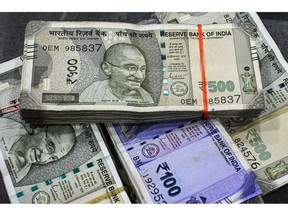
The Indian rupee emerged as the primary leader in Asian currency gains on Thursday, staging a notable recovery following a period of intense downward pressure. This shift in momentum came after the currency hit a record low during the previous day’s trading, a development that prompted swift action from the country’s monetary authorities. The Reserve Bank of India (RBI) stepped into the foreign exchange market to shore up the rupee, effectively signalling its commitment to maintaining stability amidst broader regional fluctuations.
From a Canadian perspective, these movements in the Indian market are particularly relevant given the growing trade ties between our two nations. As financial professionals in the boardrooms of Toronto and Vancouver analyse the health of emerging markets, the resilience of the Indian rupee serves as a key indicator of regional economic sentiment. The intervention by the RBI was seen as a necessary measure to prevent a further slide that could have dampened investor confidence across the South Asian corridor.
A Decisive Intervention by the Reserve Bank
The sudden strengthening of the rupee was not merely a result of organic market forces, but rather a calculated effort by the central bank to manage volatility. On Wednesday, the currency had dipped to its lowest point on record, causing concerns about potential inflationary pressures and capital outflows. In response, the RBI utilized its foreign exchange reserves to provide a floor for the currency, a move that successfully sparked the rally seen on Thursday.
I think this signals a proactive stance by Indian regulators to ensure that their domestic currency does not become a victim of speculative trading. By entering the market at such a critical juncture, the central bank provided the necessary liquidity to absorb selling pressure. This type of intervention is a common tool for major economies, yet the scale of the rupee’s advance compared to its Asian neighbours highlights the specific effectiveness of the RBI’s strategy in this instance.
Regional Performance and Global Implications
While several other Asian currencies experienced modest gains on Thursday, none matched the pace set by the rupee. This outperformance is significant because it suggests that the underlying fundamentals of the Indian economy remain a point of focus for international traders, despite the recent bout of weakness. The ability of the rupee to bounce back so vigorously from a record low provides a sense of relief to businesses that rely on stable exchange rates for cross border transactions.
The broader implications of this recovery extend to global supply chains and international investment portfolios. When a major emerging market currency stabilizes, it often reduces the perceived risk for foreign investors who are looking for growth opportunities outside of North America. As the trading week progresses, market participants will likely keep a close eye on the RBI’s future actions to see if they will continue to defend the currency at these levels. For now, the successful intervention has restored a sense of calm to the market, proving that even in the face of record lows, the right policy tools can change the colour of the financial landscape quite rapidly.