

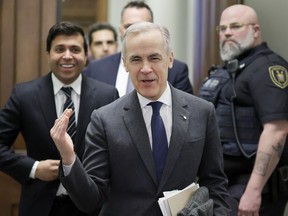
The Liberal Party of Canada has reached a level of public support that many political analysts consider a watermark for a strong majority government. According to the most recent polling data released by Leger, the party has secured 49 per cent of voter support nationwide. This figure is not merely a high point for the current term; it represents the largest lead the Liberal Party has held in ten years. This surge suggests a powerful mandate that could reshape the legislative priorities of the federal government in the coming months.
Historical Lead for the Liberals
To find a similar gap between the Liberals and their nearest rivals, one must look back a full decade. The current 49 per cent support level indicates that the party has managed to capture the attention of a broad cross section of the Canadian electorate. While political fortunes are often cyclical, this specific increase is notable for its scale. I think this signals a deep seated desire for the specific brand of policy and leadership currently being offered by the party.
The polling data suggests that the Liberals are drawing support from a variety of demographics, including urban centres and suburban neighbourhoods where elections are often won or lost. By maintaining nearly half of the national support, the party has created a significant cushion against its political opponents, making it difficult for other parties to find a path to victory in the current environment. This consolidation of the centre left and moderate vote has left the opposition struggling to gain traction.
High Satisfaction for Mark Carney
The personal appeal of the Prime Minister appears to be a primary driver of these numbers. The Leger poll showed 59 per cent of respondents are satisfied with the performance of Prime Minister Mark Carney. In the world of Canadian politics, maintaining a satisfaction rating near 60 per cent is a challenging feat, particularly for a sitting leader. This 59 per cent figure suggests that Carney has successfully projected an image of competence and stability that resonates with the majority of the public.
This level of individual popularity often translates directly into party loyalty at the ballot box. When a leader maintains such high satisfaction marks, it often mitigates the impact of minor controversies or policy disagreements that might otherwise damage the party standing. The survey results indicate that Carney is currently viewed as a steady hand by more than half of the country, which provides the Liberal Party with a significant advantage as they look toward future challenges.
As the political season progresses, these numbers will likely serve as a benchmark for both the government and the opposition. For the Liberals, the task will be to maintain this momentum and convert these polling numbers into long term support. For the opposition, the challenge is to analyse where their message is failing to connect and how they can chip away at the substantial lead now held by the government. Regardless of the coming debates, the current data suggests a period of Liberal dominance that has not been witnessed in a generation.