
The transition from the depths of a Canadian winter to the first tentative breaths of spring is often marked by subtle changes in the light and the scent of the air. However, some signs of the seasonal shift are far more conspicuous. In the rural reaches of the country, the return of the trumpeter swan serves as a bold, living announcement that warmer days are finally on the horizon. These birds, characterized by their immense size and snow white plumage, have recently been spotted dotting the landscape in significant numbers, much to the delight of local nature enthusiasts.
A Brilliant Sight in the Fields
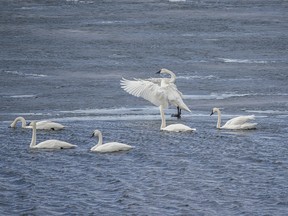
The visual impact of these birds cannot be overstated, especially during a time of year when the landscape is dominated by muted tones. As the snow melts away to reveal the saturated, dull browns of the dormant fields, the trumpeter swans emerge as brilliant focal points. According to recent observations, the swans are congregating in noticeable clusters that are impossible to miss. One group consisted of roughly a dozen individuals, while a second, larger gathering nearby featured closer to 20 birds. Together, they create a striking mosaic against the earth, drawing the eyes of any passerby or traveller.
These sightings are often shared among friends and fellow bird watchers who frequently patrol the backroads in search of such markers. One observer, travelling with a companion named Mike, noted the ease with which the birds could be identified. Regarding the swans, it was remarked that, “OK, those were pretty easy to spot.” The birds were described as being “big and white” and they “stood out brightly against the browns of the fields.” This high visibility is a hallmark of the species during this time of year. I think this signals a moment of collective relief for many Canadians; the sight of these majestic creatures confirms that the cycle of migration is proceeding as it should, regardless of how long the winter may have felt.
Resilience and Seasonal Renewal
The presence of the trumpeter swan is also a reminder of the ongoing success of wildlife conservation efforts across the nation. Once a species of great concern, their increasingly frequent appearances in our fields and wetlands are a testament to the resilience of the natural world. They are the largest waterfowl in North America, and their return requires healthy ecosystems that can provide the necessary resources for their journey.
As these birds move through the region, they often travel in these medium sized groups, resting and foraging before moving on to their breeding grounds further north. For those who watch the skies and the fields, the arrival of these swans is a cherished annual event that honours the spirit of the Canadian wilderness. The contrast they provide against the muddy landscape will soon give way to the vibrant greens of late spring, but for now, the trumpeters hold the centre of attention. Their elegant presence and unmistakable silhouettes against the horizon remain the definitive heralds of the season, offering a sense of continuity and hope as the land awakens from its long winter slumber.