

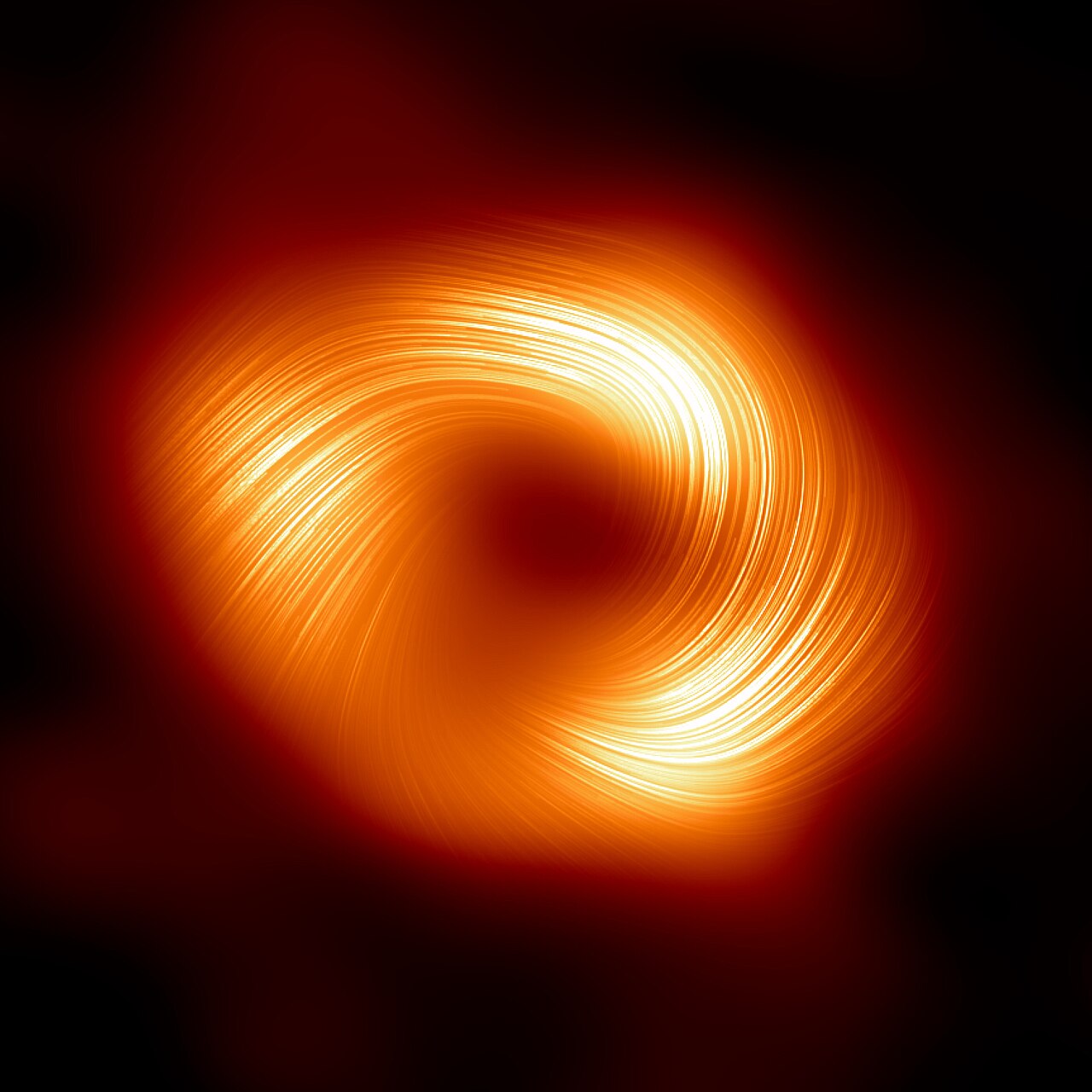
A Cosmic First: The Hunt for Black Hole Footage Begins
For eons, black holes have resided at the fringes of human comprehension, their immense gravity bending light and warping spacetime in ways that defy easy visualisation. Now, a global collective of astronomers is on the verge of a groundbreaking achievement: capturing the first-ever video of a black hole. This monumental effort promises to move beyond static images and offer a dynamic view of these enigmatic cosmic giants, potentially revolutionizing our understanding of their behaviour and even offering profound clues about the very origins of our universe.
The ambitious project, often referred to as a cinematic endeavour for the cosmos, involves an intricate network of radio telescopes strategically positioned across the globe. These telescopes are not merely observing; they are acting as a single, Earth-sized instrument, a technique known as Very Long Baseline Interferometry (VLBI). By combining data from these disparate locations, astronomers can achieve an unprecedented level of detail, effectively creating an observatory powerful enough to resolve features as small as an astronomical object at the centre of a distant galaxy. The target of this unprecedented observational campaign is the supermassive black hole at the centre of Messier 87, a galaxy located approximately 55 million light-years from Earth. Its sheer size and proximity make it a prime candidate for this pioneering research.
Unveiling the Dynamics of Darkness
The allure of filming a black hole extends far beyond mere visual spectacle. For astrophysicists, a video would offer an invaluable opportunity to observe phenomena previously only theorised or inferred from static data. The swirling accretion disk, the intense magnetic fields, and the powerful jets of plasma that are believed to emanate from the vicinity of black holes could all be captured in motion. This dynamic data would allow scientists to test and refine existing models of black hole physics, potentially revealing new insights into the complex interplay of gravity, matter, and energy that defines these cosmic phenomena. It’s a scientific quest that pushes the boundaries of our technological capabilities and our theoretical frameworks.
Beyond understanding the black hole itself, the insights gained could have far-reaching implications for cosmology. The behaviour of supermassive black holes at the centres of galaxies is thought to play a crucial role in galaxy evolution. Observing how these objects interact with their surroundings could shed light on the processes that have shaped the universe over billions of years, offering potential answers to fundamental questions about cosmic origins and development. The successful capture of such footage would not only be a triumph of observational astronomy but also a significant step forward in our collective quest to comprehend our place in the cosmos. This isn’t just about seeing a black hole; it’s about understanding how the universe works.