
Oil Prices Surge Past $90 Amid Iran Conflict
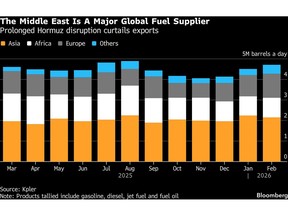
Global crude oil prices have breached the significant $90 per barrel mark, fuelled by a rapidly escalating conflict in Iran. The ramifications for international energy markets are profound, with shipping traffic through the critical Strait of Hormuz now grinding to a near standstill. This unprecedented disruption has precipitated the largest weekly gain on record for US oil prices, underscoring the fragility of current energy supply chains.
The Strait of Hormuz is a linchpin in global energy transportation, serving as the passage for a substantial portion of the world’s oil supply. With naval activity and ensuing instability making transit through this waterway increasingly perilous, or effectively impossible, energy producers and consumers alike are facing a new and uncertain economic landscape. Analysts are closely monitoring the situation, as prolonged disruption in this vital chokepoint could have far-reaching consequences, not only for fuel costs but for the broader stability of international trade and economic growth.
Market Reacts to Heightened Geopolitical Risk
The dramatic rise in oil prices reflects a heightened sense of geopolitical risk among market participants. Investors and traders are factoring in the potential for further supply constraints and the possibility of prolonged conflict, which could exacerbate existing global economic pressures. The oil market, inherently sensitive to supply and demand dynamics, is reacting swiftly to the perceived tightening of available crude.
This surge is not merely a temporary blip. The fundamental disruption to a key shipping lane means that the physical movement of oil is being significantly hampered. This has a cascading effect, impacting inventory levels and creating upward pressure on prices across the board. For Canadian consumers, this likely translates to higher gasoline prices at the pump, affecting everything from daily commutes to the cost of transporting goods, ultimately influencing the price of many everyday items. Analysing the long-term impact will require careful observation of diplomatic efforts and the evolving security situation in the region.
Economic Ramifications for Canada and Beyond
The global economic implications of these elevated oil prices are considerable. For countries like Canada, which are both significant energy producers and consumers, the situation presents a complex balancing act. While higher prices may offer some benefits to domestic producers, the increased cost of fuel for businesses and households can dampen economic activity. Inflationary pressures, already a concern in many economies, could be amplified by sustained high energy costs.
The current situation serves as a stark reminder of the interconnectedness of the global economy and the significant influence that geopolitical events can exert over critical commodity markets. As the international community navigates this challenging period, the focus remains on the potential for de-escalation and the restoration of stable energy flows to mitigate the most severe economic consequences.
Source: https://www.example.com/news/charting-the-global-economy-oil-prices-top-90-on-iran-war