
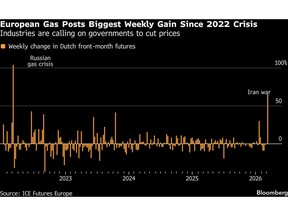
European industrial leaders are confronting an ongoing energy price shock, a situation that has brought the continent’s structural vulnerabilities to the forefront. The issue was a central focus for French President Emmanuel Macron when he recently addressed executives at Antwerp’s stock exchange, a fitting backdrop given the significance of heavy industry to the European economy. The persistent challenge of high energy costs, a long standing concern for many businesses, has been amplified by recent geopolitical events.
Geopolitical Tensions Fueling Price Volatility
The conflict involving Iran, among other global tensions, has cast a long shadow over energy markets. This instability highlights Europe’s significant reliance on external energy suppliers, a dependency that leaves its industrial sector exposed to price fluctuations and supply disruptions. For companies engaged in energy intensive manufacturing, these elevated costs can quickly erode profit margins and hinder competitiveness on the global stage. The intricate web of international relations and its direct impact on the price of natural gas and electricity is a stark reminder for policymakers and industry alike.
The situation necessitates a strategic re-evaluation of Europe’s energy landscape. While efforts have been made to diversify supply and invest in renewable energy sources, the immediate pressures are undeniable. Executives are undoubtedly scrutinizing their operational costs, seeking efficiencies where possible, and perhaps even contemplating relocation or scaling back production if the economic viability becomes too precarious. The urgency to find lasting solutions that ensure affordable and reliable energy is paramount to maintaining Europe’s industrial prowess.
Seeking Stability and Security in Energy Supply
The discussions in Antwerp and similar forums across the continent underscore a collective search for solutions. This includes exploring avenues for increased domestic energy production, accelerating the transition to cleaner energy sources that offer greater price stability, and fostering stronger international partnerships to secure a more predictable energy future. The energy price shock serves as a critical catalyst for these deeper conversations and the implementation of robust policies. It’s a complex puzzle, requiring collaboration between governments, energy providers, and industrial giants.
Ultimately, the challenge Europe faces is multifaceted. It involves not only managing the immediate impact of price surges but also addressing the underlying structural issues that contribute to this perennial vulnerability. The commitment to a sustainable energy future is clear, but the path to achieving it while safeguarding the competitiveness of vital industries requires innovation, strategic investment, and a nuanced understanding of global energy dynamics.
Source: https://www.ft.com/content/7c17c5b1-441f-433e-9949-1904310b4a68