

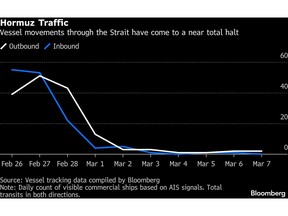
Shipping Stalls Amidst Strait of Hormuz Tensions
The vital Strait of Hormuz is experiencing a prolonged near standstill in transit for a sixth consecutive day, raising concerns about global trade and energy supplies. In the past 24 hours, data indicates that only vessels with confirmed links to Iran have been observed making the crossing through this strategically crucial waterway.
This stark lack of activity from other large vessels suggests a significant chilling effect on maritime commerce, likely stemming from elevated geopolitical tensions in the region. The Strait of Hormuz, a narrow chasm between the Persian Gulf and the Gulf of Oman, is one of the world’s most important oil transit choke points. Approximately 20 percent of global oil consumption passes through its waters annually.
The current situation is a cause for concern for international markets. When traffic in the strait is disrupted, it can lead to increased volatility in oil prices and create uncertainty for businesses reliant on the steady flow of goods. While the specific reasons for the continued standstill for non-Iranian vessels are not explicitly detailed, the pattern points towards a deliberate caution being exercised by shipping companies and their insurers in light of prevailing regional security concerns.
Iran-Linked Vessels Continue Transit
While the broader international shipping community appears to be exercising extreme caution, vessels with clear connections to Iran have continued to use the Strait of Hormuz. This observation suggests a differing operational calculus for these entities, or perhaps a calculated demonstration of control over the waterway. The nature of these Iranian-linked transits, whether commercial or otherwise, remains a point of observation for maritime security analysts.
The persistence of this shutdown, now entering its second week, is likely to draw increased scrutiny from international bodies and governments. Maintaining the unimpeded flow of goods and energy through such critical passages is paramount for global economic stability. The current scenario underscores the delicate balance of power and the potential for regional disputes to have far-reaching economic consequences. I think this signals a need for ongoing diplomatic efforts to de-escalate tensions and ensure the safety of maritime navigation.
Global Market Watch
Financial markets and energy sector participants will undoubtedly be monitoring the situation closely. Any prolonged closure or significant disruption could impact crude oil prices and the availability of refined products across the globe. Canada, as a major energy producer and trading nation, has a vested interest in the stability of international shipping routes. The ongoing events in the Strait of Hormuz serve as a stark reminder of the interconnectedness of global economics and the impact of geopolitical events on our daily lives. Further developments will be crucial to understanding the long-term implications for supply chains and international commerce.
Source: HORMUZ TRACKER: Iran-Linked Ships Transit as Others Stay Away