
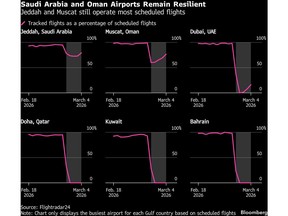
The escalating tensions in the Persian Gulf region are sending ripples through the global economy, with significant implications for international trade and commodity prices. The closure of the vital Strait of Hormuz and surrounding airspace, a critical chokepoint for global maritime commerce, has exacerbated existing supply chain vulnerabilities and pushed up the cost of essential goods.
Impact on Oil and Energy Markets
The most immediate and noticeable effect of the Gulf crisis has been on oil prices. The Strait of Hormuz is a critical artery for oil tankers, with a substantial portion of the world’s seaborne oil passing through its narrow waters. Disruptions here directly translate to increased shipping costs and a heightened risk premium for crude oil. This surge in energy prices has a cascading effect, impacting everything from fuel for transportation to the production costs of numerous industries. For consumers, this means higher gasoline prices at the pump and potentially increased costs for heating and electricity.
Fertilizer Price Surge and Agricultural Concerns
Beyond energy, the conflict is also creating significant headwinds for the agricultural sector. Global fertilizer prices have seen a marked increase, a direct consequence of both rising energy costs and the disruption of key trade routes. Many fertilizers rely on natural gas as a feedstock, making their production costs sensitive to energy price fluctuations. Furthermore, the logistical challenges posed by the restricted airspace and shipping lanes mean that getting these vital agricultural inputs to market is becoming more expensive and uncertain. Canada, a major agricultural producer and exporter, is particularly sensitive to these developments. Higher fertilizer costs can squeeze profit margins for Canadian farmers and may eventually translate into higher food prices for consumers. The interconnectedness of global supply chains means that instability in one region can have profound consequences for food security and agricultural viability worldwide.
The current situation underscores the fragility of global trade networks. What might seem like a regional conflict can quickly escalate into a global economic challenge. The reliance on key maritime passages like the Strait of Hormuz highlights the importance of geopolitical stability for maintaining the smooth flow of goods and services that underpin the modern world economy. Analysing these disruptions requires a deep understanding of global logistics and the intricate web of international commerce. I think this signals a clear need for greater diversification of supply routes and a more resilient approach to global trade infrastructure.
Source: In Charts: How The Iran Conflict is Disrupting Global Trade