
The news hits my inbox like a jolt: oil prices, already a persistent headache, have spiked another 10 per cent. Analysts are throwing around figures like $100 US a barrel. The cause? You guessed it, more conflict brewing in the Middle East. It seems that region, perpetually a powder keg, has found another spark to ignite global markets.
This isn’t just abstract economic news for faraway nations. For us here in Canada, it’s a direct assault on our wallets. Think about your last trip to the pump. That sinking feeling when you see the numbers climbing? That’s the immediate, visceral effect of these geopolitical tremors. But the ripple effect goes much further, touching everything from the cost of groceries to the price of heating our homes this winter, even as spring attempts a hesitant arrival in cities like Toronto and Vancouver.
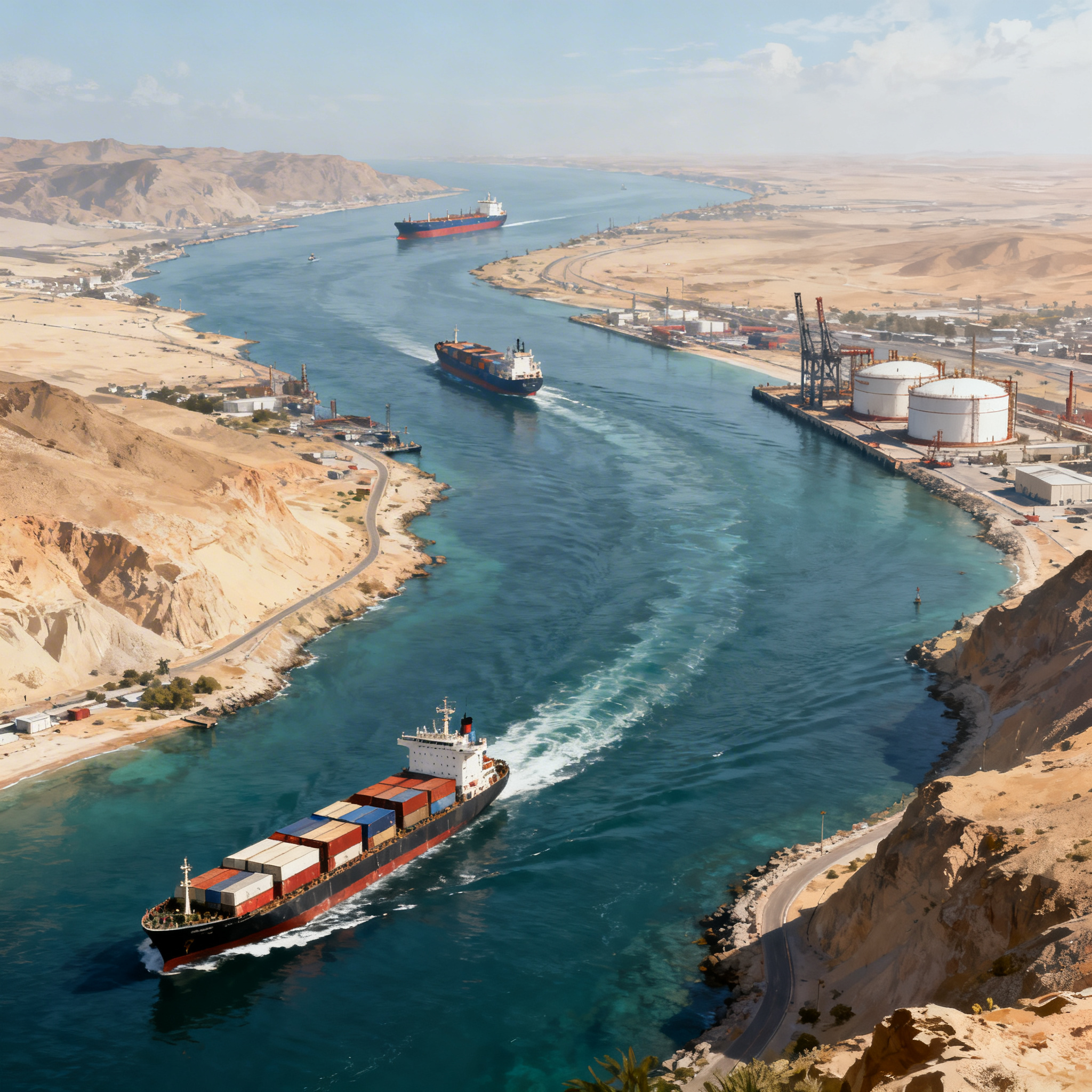
The connection is simple and brutal. The Middle East is a colossal supplier of the world’s oil. When tensions escalate, and military strikes become headlines, the risk premium on oil barrels shoots up. Traders, ever the pragmatists, price in the potential for supply disruptions. And that translates directly into higher costs for everyone. This latest surge, fuelled by recent US and Israeli actions against Iran, is a perfect, albeit unwelcome, illustration of this principle.
The Domino Effect on Everything Else
It’s not just crude oil. The context articles tell a broader story. Soybean oil, a staple ingredient in so many of our favourite foods, has also hit a two-year high. Why? Because crude oil prices are rallying, and there’s a significant link between energy costs and agricultural commodity prices. The cost of transporting food, running farm machinery, and even producing fertilizers all climb when energy gets more expensive. So, that increased price at the grocery store for anything from cooking oil to processed foods isn’t just about agricultural yields; it’s also a direct consequence of distant conflicts.
I’m also watching the Bank of Japan’s policy decisions with a keen eye. Their deputy chief, Ryozo Himino, is refraining from signaling a March rate hike. This suggests a cautious approach, likely influenced by these very same global uncertainties. While Japan might seem a world away, their central bank’s stance can influence global investor sentiment and, by extension, capital flows that can impact our own economy. If major economies are hesitant to tighten monetary policy due to external shocks, it adds another layer of complexity to the Bank of Canada’s own deliberations on interest rates. We’ve seen them wrestle with inflation for months, and this renewed global volatility only makes their job harder.
Canada’s Position in the Global Game
So, what does this all mean for us, proud Canadians enjoying our vast landscapes from the Maritimes to British Columbia? It means we are not immune. We are a trading nation, heavily reliant on global markets. Our energy sector, while a significant contributor to our economy, also means we are tied to the fortunes and misfortunes of global oil prices.
This constant dance with international crises forces us to ask some uncomfortable questions about our own energy security and diversification. Are we too reliant on the global market for our energy needs? Should we be accelerating our own transition to cleaner, more sustainable energy sources not just for environmental reasons, but for economic resilience? It’s a complex puzzle, and there are no easy answers. Pushing for more domestic production might seem like a logical immediate fix, but it also ties us closer to the very commodity prices that are causing us pain. Conversely, a rapid, ill-planned shift away from fossil fuels could leave us vulnerable in other ways.
My concern is that we often react to these global shocks rather than proactively shaping our future. We wring our hands when oil prices spike, and we cheer when they fall, but we don’t seem to have a robust, long-term strategy for navigating these inevitable global economic storms. The Middle East’s volatility is a recurring theme, a constant reminder of the fragility of peace and its direct impact on our everyday lives. It’s time for us, as a nation, to be more strategic, more forward-thinking, and better prepared for the economic turbulence that global events will undoubtedly continue to bring. Our prosperity, and our peace of mind, depend on it.