

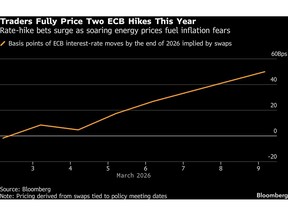
Energy Price Surge Fuels Rate Hike Bets in Europe
Financial markets are abuzz with heightened expectations of interest rate increases from both the European Central Bank (ECB) and the Bank of England. The primary catalyst for this intensified sentiment appears to be the relentless climb in energy prices, which is stoking fears of a significant inflation surge across the continent and the United Kingdom. Traders, who closely monitor economic indicators and market sentiment, are actively adjusting their positions to reflect a higher probability of tightening monetary policy.
The soaring cost of energy, from oil to natural gas, has become a dominant concern for policymakers and consumers alike. This trend has a direct and pervasive impact on the broader economy, increasing the operational costs for businesses and the household expenses for individuals. When energy becomes more expensive, the cost of transporting goods, manufacturing products, and heating homes all rise, feeding directly into inflation figures. In response to this escalating price pressure, market participants are now factoring in more aggressive rate hikes by the central banks.
Central Banks Face Inflationary Headwinds
The European Central Bank, tasked with maintaining price stability in the Eurozone, and the Bank of England, responsible for similar objectives in the UK, find themselves in a precarious position. The current inflationary environment, exacerbated by energy market volatility, presents a significant challenge. Central banks often use interest rate adjustments as a primary tool to combat inflation. By increasing rates, they aim to make borrowing more expensive, thereby slowing down economic activity and reducing demand, which in turn can help to curb price increases.
However, this strategy comes with inherent risks. Raising interest rates too aggressively could potentially stifle economic growth, leading to a recession. This delicate balancing act requires careful consideration of the economic outlook and a thorough analysis of all available data. The current surge in rate hike bets suggests that traders believe the inflation threat is becoming more acute, potentially outweighing the immediate concerns about economic slowdown. It appears the market is signalling that the central banks will prioritize bringing inflation under control, even if it means a period of slower growth.
Market Sentiment Shifts Dramatically
The palpable shift in market sentiment underscores the urgency of the inflation concerns. Analysts are observing a marked increase in the number of trades and derivatives positioned for higher interest rates. This not only reflects the immediate reaction to energy price movements but also a broader assessment of the inflationary forces at play. The interconnectedness of global energy markets means that price shocks can have far-reaching consequences, impacting trade, supply chains, and ultimately, consumer prices.
For Canada, while this development is occurring in European markets, it’s a crucial signal of the global economic landscape. Rising inflation and the potential for aggressive monetary policy tightening by major economic blocs can have ripple effects, influencing global demand, commodity prices, and the value of currencies, including our own loonie. I think this situation highlights the complex challenges facing central bankers worldwide as they navigate the post-pandemic economic recovery, now complicated by geopolitical factors and supply chain disruptions that are driving up the cost of essential resources like energy. The coming months will be critical in observing how these central banks respond and what impact their decisions will have on global financial stability.