

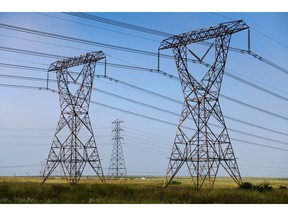
South Africa is signalling a robust commitment to modernizing its critical infrastructure with ambitious plans to rapidly scale up a new credit guarantee vehicle. This initiative is designed to unlock billions of dollars in much-needed investment for a diverse range of projects, spanning the nation’s power grid, water systems, ports, and freight rail networks.
The expansion of this guarantee fund represents a strategic effort by the South African government to overcome the significant financing challenges that have often hampered the development of essential public works. By providing a government-backed assurance for the financial viability of these projects, the initiative aims to de-risk investments and encourage participation from the private sector. This is particularly crucial at a time when many developing nations are grappling with the substantial capital required to upgrade aging infrastructure and build new capabilities to support economic growth and improve the quality of life for citizens.
Addressing Infrastructure Deficits
The scope of projects targeted by the expanded fund is broad, indicating a comprehensive approach to national development. Power-grid expansion is a priority, likely aimed at bolstering energy security and reliability. Similarly, investments in water systems address a fundamental need, crucial for public health, agriculture, and industrial processes. The focus on ports and freight rail underscores a commitment to improving logistics and trade efficiency, vital for a nation looking to compete on the global stage and facilitate the movement of goods domestically. This multi-faceted approach suggests a recognition that interconnected infrastructure is key to unlocking broader economic potential and fostering a more resilient nation.
Attracting Private Capital
The core of this strategy lies in leveraging the credit guarantee mechanism to attract private capital. In many instances, the sheer scale of infrastructure projects can be prohibitive for public budgets alone. A credit guarantee essentially transfers a portion of the risk from the private investor to the government, making these ventures more palatable. This can unlock a significant pool of private sector funds that might otherwise be deployed to less capital-intensive or less risky ventures. The South African government’s proactive stance in establishing and now expanding this facility demonstrates a clear understanding of the need for innovative financing solutions to drive development forward. I think this signals a mature approach to public finance, where partnerships with the private sector are recognised as essential for achieving ambitious national goals.
The success of this initiative will likely hinge on the careful management of the guarantee fund and the transparent selection of projects. Ensuring that the projects selected are not only economically viable but also align with the country’s long-term strategic objectives will be paramount. As South Africa embarks on this significant infrastructure drive, the international business community will be watching closely, as this could represent a substantial opportunity for investment and collaboration.