

South Korean Stocks Rally on Geopolitical Détente and Falling Oil Prices
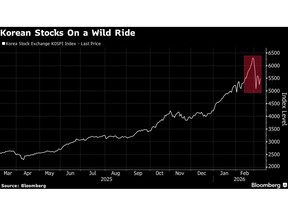
Seoul, South Korea – The South Korean stock market demonstrated a robust recovery this week, with equities experiencing a significant upward swing. This resurgence in investor confidence appears to be directly linked to a perceived de-escalation in geopolitical tensions surrounding Iran and a subsequent drop in global oil prices.
The primary catalyst for the market’s positive turn seems to be pronouncements from U.S. President Donald Trump, who indicated that a potential military confrontation with Iran may be drawing to a close. This suggests a lessening of immediate geopolitical risks, which often weigh heavily on global markets, particularly those in export-oriented economies like South Korea. Markets tend to react negatively to periods of heightened international uncertainty, as it can disrupt supply chains and dampen economic activity.
Oil Price Relief Boosts Risk Appetite
Accompanying the geopolitical easing was a noticeable decline in oil prices. Lower energy costs are a significant boon for many economies, acting as a de facto tax cut for consumers and reducing input costs for businesses. For South Korea, a nation heavily reliant on imported energy, falling oil prices translate into improved trade balances and increased disposable income for households. This, in turn, can stimulate domestic demand and support corporate earnings.
The combination of these factors has fostered a more optimistic outlook among investors, encouraging a greater willingness to embrace riskier assets. South Korean equities, often sensitive to global economic sentiment and commodity prices, have been direct beneficiaries of this renewed risk appetite. The Kospi Composite Index, a benchmark for the country’s stock market, reflected this shift with a notable jump in its trading sessions.
Analysts suggest that the market’s reaction highlights the delicate balance investors strike between geopolitical stability and economic fundamentals. When the immediate threat of conflict recedes and the cost of essential commodities like oil decreases, investors often re-evaluate their portfolios, shifting towards equities that might have been overlooked during periods of uncertainty. This scenario has clearly played out in Seoul this week, with the market signalling a preference for growth prospects over defensive plays. The broader implication for the global financial landscape is that stability, even perceived stability, can unlock significant capital flows.
Source: South Korean Stocks Jump as Lower Oil Prices Support Risk Taking