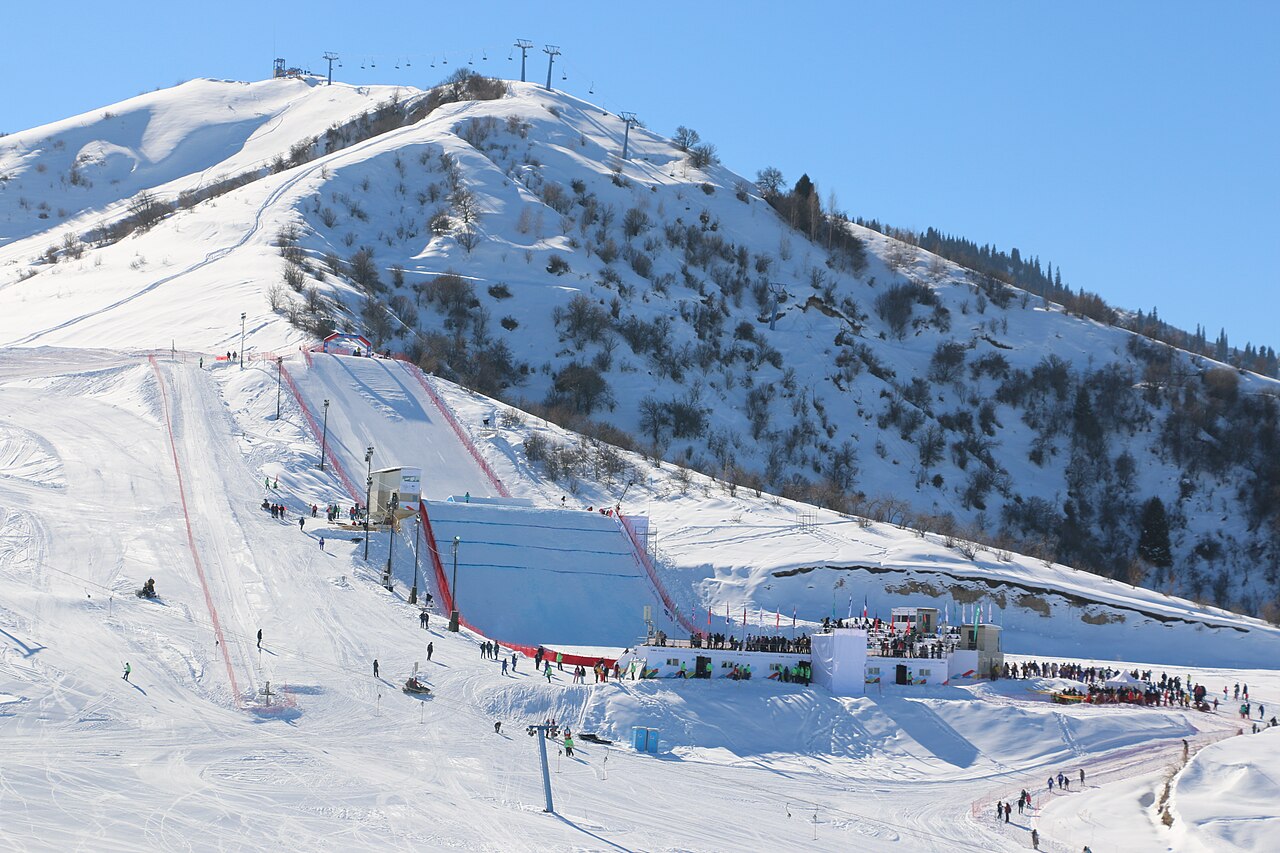


The upcoming 2026 Milano-Cortino Paralympic Games are already facing scrutiny, with a growing chorus of voices advocating for an earlier start date. Reports from preliminary events and athlete feedback paint a picture of conditions that are proving to be exceptionally challenging, raising serious questions about the viability of the current schedule.
Growing Concerns Over Slushy Conditions
The common refrain echoing through news reports and athlete statements about the 2026 Milano-Cortino Paralympic Games is one of difficulty. Terms like “challenging,” “extremely difficult,” and “brutal conditions” are frequently used to describe the current state of affairs. This sentiment is not merely a matter of subjective opinion; it is rooted in the realities faced by athletes attempting to train and compete in the planned host regions.
The primary concern centres on the projected weather patterns for the latter half of March, the period currently slated for the Paralympics. As the season transitions from winter to spring, the alpine environments are prone to significant thawing. This thaw, especially at lower altitudes and in areas impacted by rising global temperatures, can lead to the formation of deep slush on ski courses and other outdoor venues. Such conditions are not only detrimental to athletic performance, making it difficult to maintain speed and control, but they also present significant safety hazards.
Athlete Experiences Signal a Need for Change
Athletes who have participated in test events or familiarized themselves with the venues have provided stark warnings. The unpredictable nature of spring snow, which can shift from firm ice to treacherous slush within hours, creates an uneven and potentially dangerous playing field. For adaptive athletes, who often rely on precise and consistent surfaces for their disciplines, these variations can be particularly problematic, impacting everything from equipment functionality to the athletes’ ability to execute their techniques safely.
The intensity of these conditions is not to be underestimated. Describing the experience as “brutal” suggests a level of adversity that goes beyond standard competitive challenges. It implies a struggle against the environment itself, where success becomes as much about battling the course conditions as it is about outperforming fellow competitors. This raises the fundamental question of whether the current schedule prioritizes the safety and fairness of the competition.
A Call for an Earlier Olympic Start
In light of these mounting concerns, there is a discernible push for organizers to reconsider the Paralympic dates. The argument for an earlier start is straightforward: by moving the Games into the heart of winter, the likelihood of encountering stable, icy conditions increases, while the risk of damaging thaws and slush diminishes. This would not only allow athletes to perform at their best but, more importantly, would significantly enhance the safety protocols surrounding the event.
This isn’t simply about minor inconveniences; it’s about ensuring that the pinnacle of para-sport competition is held under conditions that allow for the highest level of athletic achievement and, crucially, protect the well-being of the participants. The experiences of athletes on the ground are providing a clear signal that a proactive adjustment to the schedule could prevent potential chaos and disappointment, ensuring the 2026 Milano-Cortino Paralympics are remembered for their sporting excellence, not for the environmental battles faced by those competing.
Source: [Placeholder for actual source link, as per instructions]