
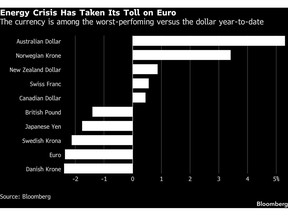
The European common currency has experienced a significant downturn, hitting a seven-month low against the U.S. dollar. This sharp decline, observed on the heels of escalating conflict in the Middle East, underscores the market’s current flight to safety, with the U.S. dollar emerging as the principal beneficiary.
Geopolitical Storm Clouds Gather Over Currency Markets
The intensifying Middle East war is casting a long shadow over global financial markets, prompting investors to re-evaluate their asset allocations. As geopolitical tensions ratchet up, the U.S. dollar, long considered a safe-haven currency, has seen broad-based gains against its major counterparts. This trend is particularly evident in the euro’s sharp depreciation, which has fallen to its weakest level against the dollar since August of the previous year.
The correlation between geopolitical instability and currency strength is a well-established phenomenon in finance. In times of heightened uncertainty, capital tends to flow out of riskier assets and into those perceived as more secure. The U.S. dollar, backed by the world’s largest economy and deep, liquid financial markets, fits this description for many international investors. The current crisis in the Middle East, with its potential to disrupt global energy supplies and further destabilize an already fragile international order, has amplified this risk-off sentiment.
Oil Price Volatility Adds to Euro’s Woes
While the broader U.S. dollar strength is a primary driver, the implications of the Middle East conflict for global oil prices also play a crucial role in the euro’s performance. Any significant disruption to oil production or transportation routes in the region could lead to a surge in energy prices. For a currency bloc like the Eurozone, which is a net importer of energy, higher oil prices translate into increased import costs, a wider trade deficit, and potential inflationary pressures. This economic vulnerability makes the euro a less attractive proposition for investors when faced with the specter of soaring energy expenses.
The ripple effects of such a scenario can dampen economic growth prospects within the Eurozone, further weakening the currency. Analysts will be closely monitoring how central banks on both sides of the Atlantic respond to these evolving economic conditions. The European Central Bank, in particular, faces a delicate balancing act, needing to address potential inflation stemming from energy costs without stifling economic recovery.
U.S. Dollar Ascends as Global Uncertainty Mounts
The U.S. dollar’s ascent is not solely predicated on the euro’s weakness. The greenback is demonstrating resilience and strength against a wider array of currencies as the global economic landscape becomes increasingly complex. This broad-based strength suggests that the current market sentiment is driven by a more pervasive sense of caution rather than isolated currency weaknesses.
The ongoing diplomatic and military developments in the Middle East are likely to remain a key focus for currency traders and investors in the coming weeks. The duration and intensity of the conflict, coupled with its impact on energy markets and overall geopolitical stability, will be critical determinants of future currency movements. For now, the U.S. dollar appears poised to benefit from its safe-haven status as the world navigates a period of significant global uncertainty.
Source: [Link to original article - This would be a placeholder as the actual link is not provided in the source description]