
Weather Woes Halt Courcheval Super-G
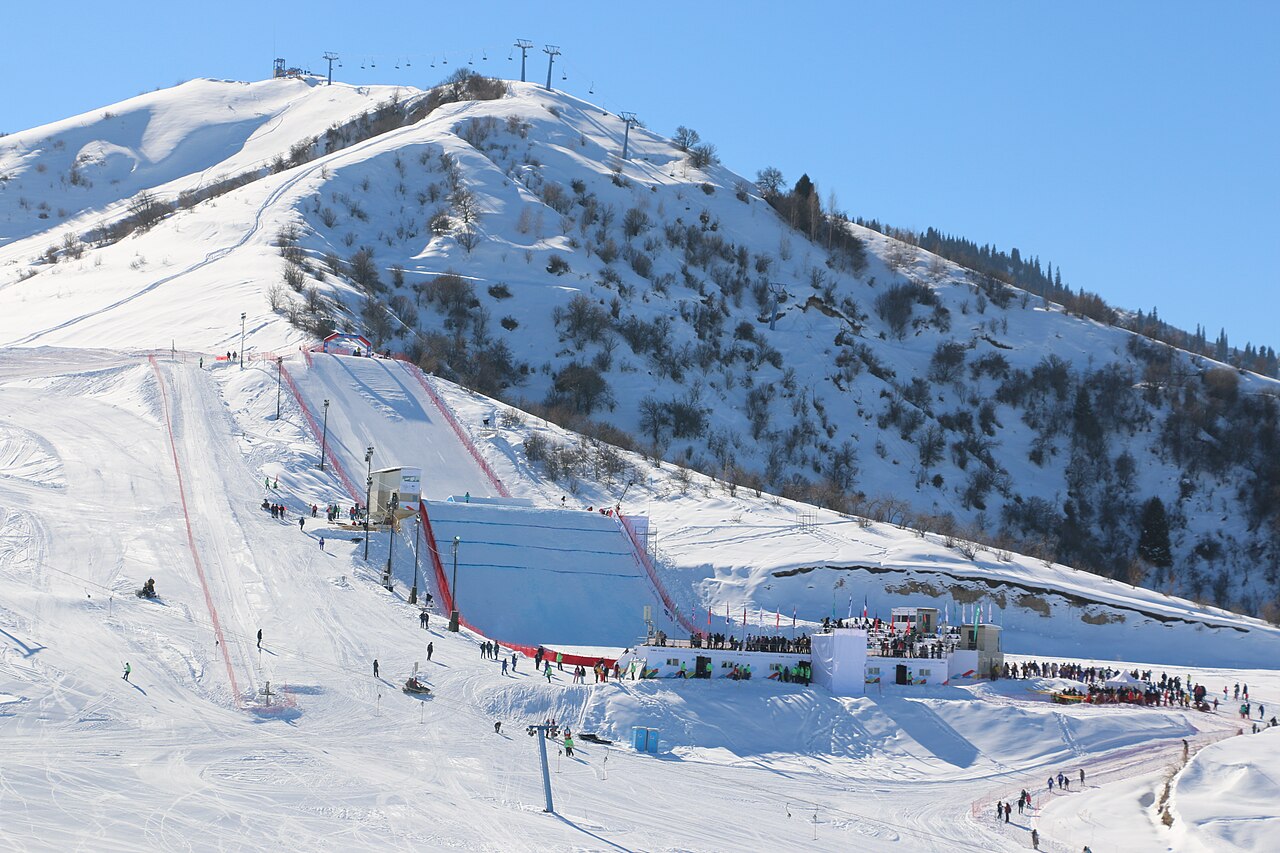
Courcheval, France – The picturesque French Alps, often a stage for exhilarating alpine skiing, were instead blanketed in unwelcome weather on Saturday. Persistent snowfall and thick fog forced organizers to cancel the men’s World Cup super-G race, the first of two events scheduled for the weekend in Courcheval. This decision highlights the unpredictable nature of winter sports and the constant challenges faced by those who compete on the global circuit.
The cancellation undoubtedly comes as a disappointment to the assembled athletes, many of whom had been preparing for this precise competition. Super-G, a discipline that blends the speed of downhill with the technical demands of giant slalom, requires optimal visibility and snow conditions to ensure both fairness and safety. The prevailing weather on Saturday simply did not meet these critical criteria. While the exact depth of the snowfall wasn’t detailed, the report indicates it was substantial enough, coupled with the fog, to render the course unsafe for competition.
This disruption means that skiers will have fewer opportunities to accumulate valuable World Cup points. For many, these races represent crucial chances to improve their rankings, secure their places in future events, and build momentum for the remainder of the season. The loss of a super-G race can have a significant impact on an athlete’s overall standing, potentially altering their competitive trajectory for the year.
A Tense Weekend Ahead
With one race now scratched from the calendar, the focus shifts entirely to the remaining super-G competition, should it proceed as planned. Athletes will likely approach this sole remaining opportunity with heightened intensity, knowing that every run, every gate, and every second will carry even greater weight. The pressure will be on to perform at their absolute best under what will hopefully be more favourable conditions.
The cancellation also serves as a reminder of the logistical complexities inherent in organizing international sporting events in remote and weather-dependent locations. The dedication of the course setters, the race officials, and the local organizing committee is immense, but even their best efforts can be thwarted by the forces of nature. The governing bodies of alpine skiing, like FIS (International Ski Federation), constantly grapple with these issues, striving to create a fair and exciting competition schedule while respecting the limitations imposed by the environment.
Looking ahead, the hope will be for clearer skies and calmer conditions for the subsequent races. The resort of Courcheval is renowned for its stunning pistes and its ability to host prestigious events, and the athletes will be eager to showcase their skills on the world stage. For now, however, the mountains have dictated the terms, reminding everyone involved in the sport that even the most celebrated athletes are at the mercy of the elements. The focus now turns to tomorrow, with fingers crossed for a full programme of racing.