

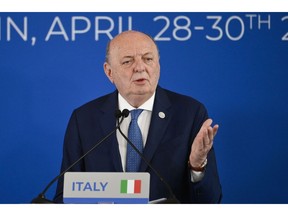
Italy, a nation grappling with significant energy cost pressures, is taking a serious look at reintroducing nuclear power to its energy mix. This potential shift marks a dramatic departure from the country’s long-standing ban on the technology, which has been in place for approximately 40 years. The move is being driven by a combination of economic concerns and the pursuit of greater energy independence.
A Bid for Economic Revitalization
Prime Minister Giorgia Meloni has frequently championed nuclear energy as a potential remedy for Italy’s struggling economy. Now, under her leadership, the government is actively exploring the practical steps required to revive this once-banned industry. The rationale behind this renewed interest appears to be multifaceted. Higher energy prices have placed a considerable strain on both households and businesses, impacting Italy’s overall economic competitiveness. By potentially re-establishing a nuclear power sector, the government hopes to secure a more stable and perhaps more affordable source of electricity, thereby providing a much-needed boost to the nation’s economic prospects.
Navigating the Technical and Political Landscape
The path forward for nuclear power in Italy is not without its challenges. The country shuttered its nuclear facilities following the Chernobyl disaster in 1986, and public opinion, while perhaps shifting, has historically been cautious regarding nuclear energy. The government’s current explorations will undoubtedly involve complex technical analyses, safety considerations, and extensive public consultations. Establishing new nuclear infrastructure is a monumental undertaking, requiring significant investment, skilled labour, and stringent regulatory frameworks. It will also necessitate a careful evaluation of potential sites and the management of radioactive waste, issues that have been central to past debates.
The current government’s focus on nuclear energy signifies a strategic re-evaluation of the nation’s energy strategy. While renewable energy sources like solar and wind power continue to be important components of Italy’s energy future, the inclusion of nuclear power suggests a desire for a more diversified and potentially baseload-capable energy portfolio. This could offer a complementary solution to the intermittency challenges often associated with renewables. The success of this endeavour will hinge on the government’s ability to navigate the intricate political and technical hurdles, build public confidence, and secure the necessary international partnerships and expertise. The world will be watching to see if Italy can indeed chart a new course in its energy future after four decades of abstaining from nuclear power.