
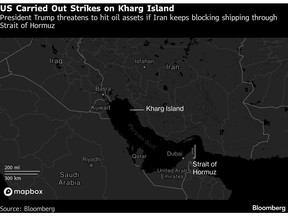
The United States, under President Donald Trump, has signalled a firm stance against a potential deal with Iran on the current terms, as a protracted conflict continues to roil international waters and energy sectors. President Trump stated that Iran is prepared to negotiate an end to the hostilities, but emphasised that the US is seeking more advantageous conditions. This declaration suggests that any immediate de-escalation of the conflict is unlikely, a development that has already brought shipping in the strategically vital Strait of Hormuz to a near standstill and significantly disrupted global energy markets.
Tensions Escalate in the Strait of Hormuz
The Strait of Hormuz, a narrow waterway that serves as a critical chokepoint for a significant portion of the world’s oil supply, has become a focal point of the escalating tensions. The ongoing conflict has led to a dramatic reduction in maritime traffic, raising concerns about supply chain stability and the reliable flow of petroleum products. For Canada, a nation heavily reliant on international trade, such disruptions carry substantial economic implications, potentially affecting everything from fuel prices at the pump to the cost of imported goods. The uncertainty surrounding the future of this vital shipping route is a considerable worry for Canadian businesses and consumers alike.
Unsettled Energy Markets Face Uncertainty
Beyond the immediate physical disruptions to shipping, the geopolitical friction has cast a long shadow over global energy markets. Oil prices, notoriously sensitive to supply chain anxieties and international relations, have experienced notable volatility. This instability creates challenges for economic planning and investment. While Iran may be signalling a readiness to talk, President Trump’s insistence on “better terms” implies a prolonged period of negotiation or continued pressure. This uncertainty can deter long-term investment in the energy sector and make budgeting more difficult for industries that depend on stable energy prices.
Analysts suggest that President Trump’s public pronouncements are designed to exert maximum leverage. By highlighting Iran’s willingness to negotiate while simultaneously demanding more, the US administration aims to strengthen its bargaining position. However, this approach also risks prolonging the current state of affairs, with its attendant economic and security consequences. For countries like Canada, maintaining a watchful eye on these developments is paramount. The intricate web of global economics means that events unfolding in the Middle East can have a ripple effect felt thousands of kilometres away. The coming weeks will be crucial in determining whether diplomatic channels can yield a resolution or if the current stalemate will persist, further impacting businesses and consumers worldwide.