A Pioneer’s Perspective on Artemis II
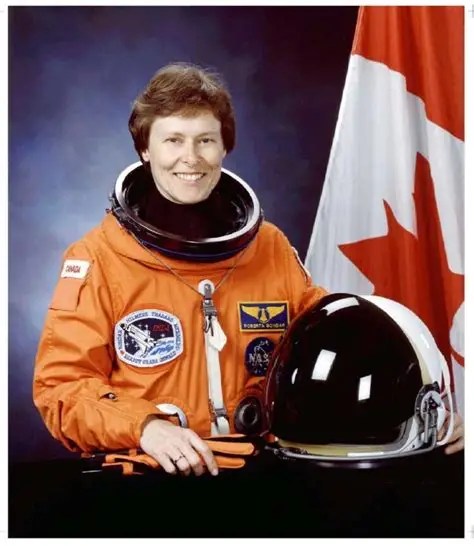
As the world anticipates the historic Artemis II mission, a journey that will see humans orbit the Moon for the first time in decades, Canada’s own trailblazing astronaut, Dr. Roberta Bondar, has offered valuable insights into the complexities and considerations of such an endeavour. Dr. Bondar, who made history as the first Canadian woman in space, brings a unique perspective shaped by her own experiences and a deep understanding of the physiological and environmental challenges inherent in space exploration.
Her commentary on the mission, which is poised to send four astronauts on a trajectory around the Moon, touches on both the triumphs and the persistent hurdles of venturing beyond Earth’s orbit. Dr. Bondar’s reflections are particularly poignant when she discusses the human body’s adaptation to microgravity and its implications for long duration spaceflight. She has spoken about her own post-flight recovery, referencing what she has termed “bird leg syndrome,” a condition that describes the muscle atrophy and bone density loss experienced by astronauts. Understanding and mitigating these effects remain critical for the health and safety of crews undertaking missions like Artemis II.
Preparing for the Unknowns of Deep Space
The Artemis II mission represents a significant leap forward, pushing the boundaries of human presence in space. However, as Dr. Bondar has highlighted, the journey is not without its potential perils. Beyond the physiological adaptations required, astronauts must also contend with the unpredictable nature of the space environment. One such concern she has raised is the impact of solar storms. These powerful bursts of energy from the Sun can pose a significant threat to spacecraft and astronauts alike, necessitating robust defence systems and careful mission planning.
Dr. Bondar’s contribution to the public discourse surrounding Artemis II serves as a vital reminder of the extensive preparation and scientific understanding that underpins these ambitious space missions. Her voice, carrying the weight of pioneering experience, underscores the ongoing commitment to safety, research, and pushing the frontiers of human knowledge. As the Artemis II crew prepares for their lunar flyby, the wisdom of those who have gone before offers a grounding perspective on the immense achievement that lies ahead for Canada and the global space community.
Source: [Link to original article, e.g., https://www.yournewssite.com/artemis-ii-roberta-bondar]