

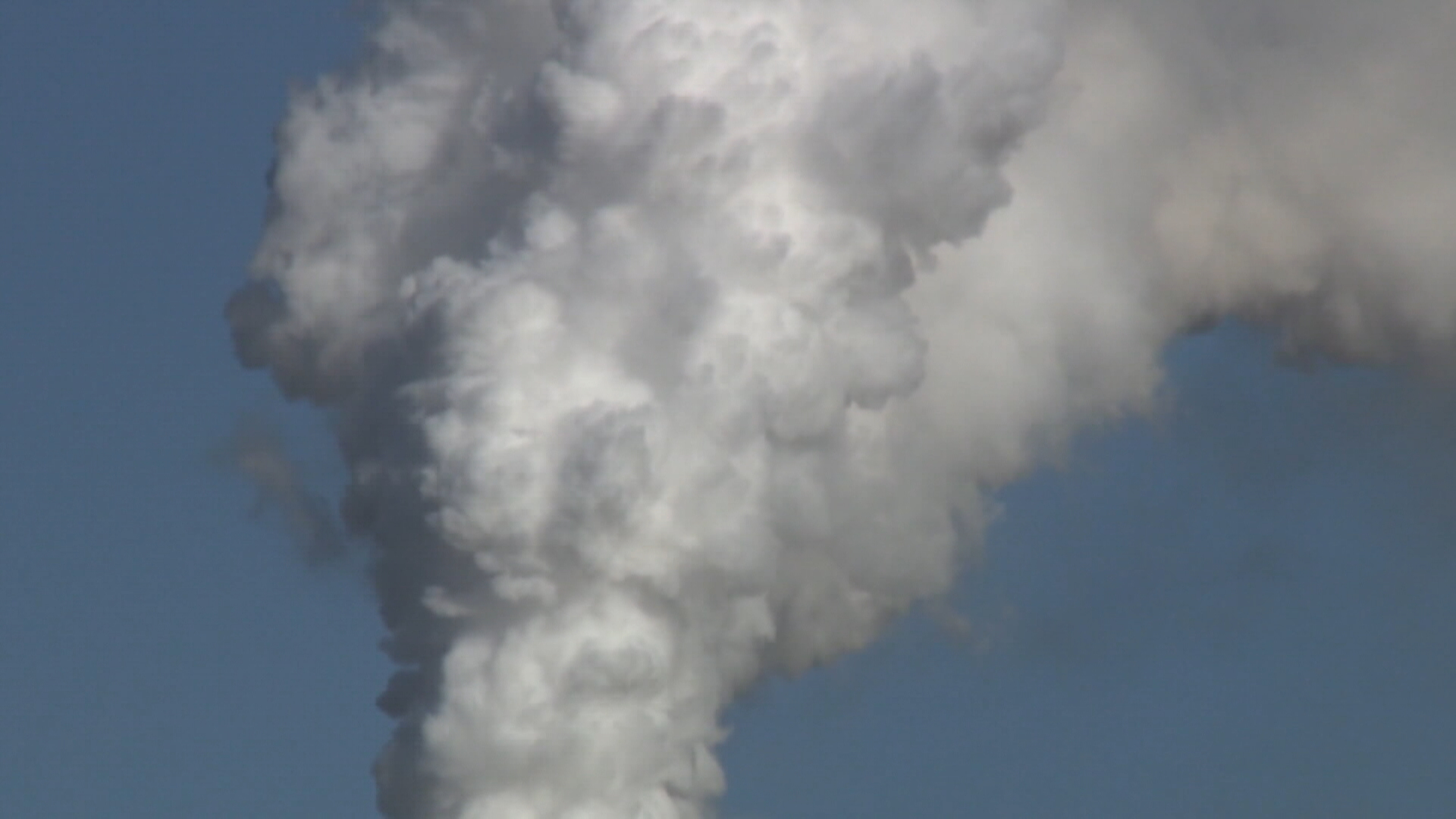
Canada’s journey towards reducing greenhouse gas emissions experienced a notable deceleration in 2024, with recent federal data revealing that a surge in pollution from the oil and gas industry effectively negated advancements made in other sectors. This development paints a complex picture for the country’s climate action efforts, underscoring the persistent influence of fossil fuel production on national environmental performance.
Emissions Rebound in the Oil and Gas Sector
The latest figures from the federal government indicate a concerning uptick in greenhouse gas output directly attributable to the oil and gas sector. While specific figures will be detailed in the full report, the general trend suggests that the expansion or increased intensity of operations within this vital Canadian industry has led to a substantial rise in its emissions profile. This stands in contrast to the performance of several other industries, which managed to achieve reductions in their environmental footprint over the same period.
The timing of this emissions increase is particularly significant, occurring at a time when Canada is navigating the delicate balance between economic imperatives and its commitment to international climate agreements. The oil and gas sector remains a cornerstone of the Canadian economy, particularly in Western Canada, making its emissions trajectory a critical factor in any national climate strategy. The data suggests that efforts to curb emissions in other areas have been insufficient to fully compensate for the growing output from this dominant industry.
Offset Reductions Mask Underlying Concerns
While the overall slowdown in emissions reduction is the headline concern, the fact that other industries have succeeded in lowering their output offers a glimmer of hope. These reductions could stem from a variety of factors, including increased energy efficiency, a transition to cleaner energy sources, or shifts in industrial processes. Analysing these successes could provide valuable lessons and strategies that might be applied more broadly across the economy, including within the challenging oil and gas sector.
However, the federal report implies that the magnitude of the increase from oil and gas has overshadowed these positive movements, leading to a net deceleration in progress. This raises questions about the efficacy of current policies and regulations in achieving significant, economy-wide emissions cuts. It also points to the substantial challenge of decoupling economic growth and energy production from environmental impact, especially in resource-dependent regions.
The data presented will likely fuel further debate among policymakers, environmental advocates, and industry leaders regarding the most effective pathways to achieving Canada’s climate targets. Understanding the precise drivers behind both the increases and decreases in emissions will be crucial for formulating future climate policy. The coming months will undoubtedly see calls for a deeper dive into these figures, seeking to identify specific areas for intervention and to ensure that Canada remains on a credible path towards its ambitious environmental goals. The nation’s commitment to a greener future hinges on its ability to effectively address the emissions challenges posed by its key industries.
Source: [Link to original source article]