
Across Canada, a familiar springtime concern is taking root. From the prairies to the St. Lawrence Valley, communities are beginning to prepare for the potential of spring flooding as significant rainfall continues to drench the landscape. Environment Canada reports indicate that parts of southern Quebec have already received a considerable amount of precipitation, with up to 40 millimetres falling since the week began. And the forecast offers little respite, with more rain expected to fall in the coming days.
This persistent moisture is raising anxieties, particularly in areas accustomed to seasonal water level fluctuations. The ground, already saturated from recent weather patterns, has a diminished capacity to absorb further rainfall. This increases the likelihood of rivers and streams overflowing their banks, potentially impacting homes and infrastructure. While the source material specifically highlights Quebec, the mention of preparedness extending to Manitoba suggests a broader regional concern for spring melt and precipitation events.
Rainfall Raising Flood Concerns in Quebec
Southern Quebec, in particular, is squarely in the path of this damp weather system. The substantial rainfall received early in the week is a precursor to what forecasters are predicting. With more wet weather on the horizon, the risk of localized flooding and the potential for more widespread issues is escalating. Municipal officials and residents in low-lying areas will likely be monitoring water levels closely in the days and weeks ahead, assessing potential vulnerabilities and enacting precautionary measures. The collective memory of past flood events often informs these preparations, reminding communities of the importance of early action.
Broader Implications for Spring Melt
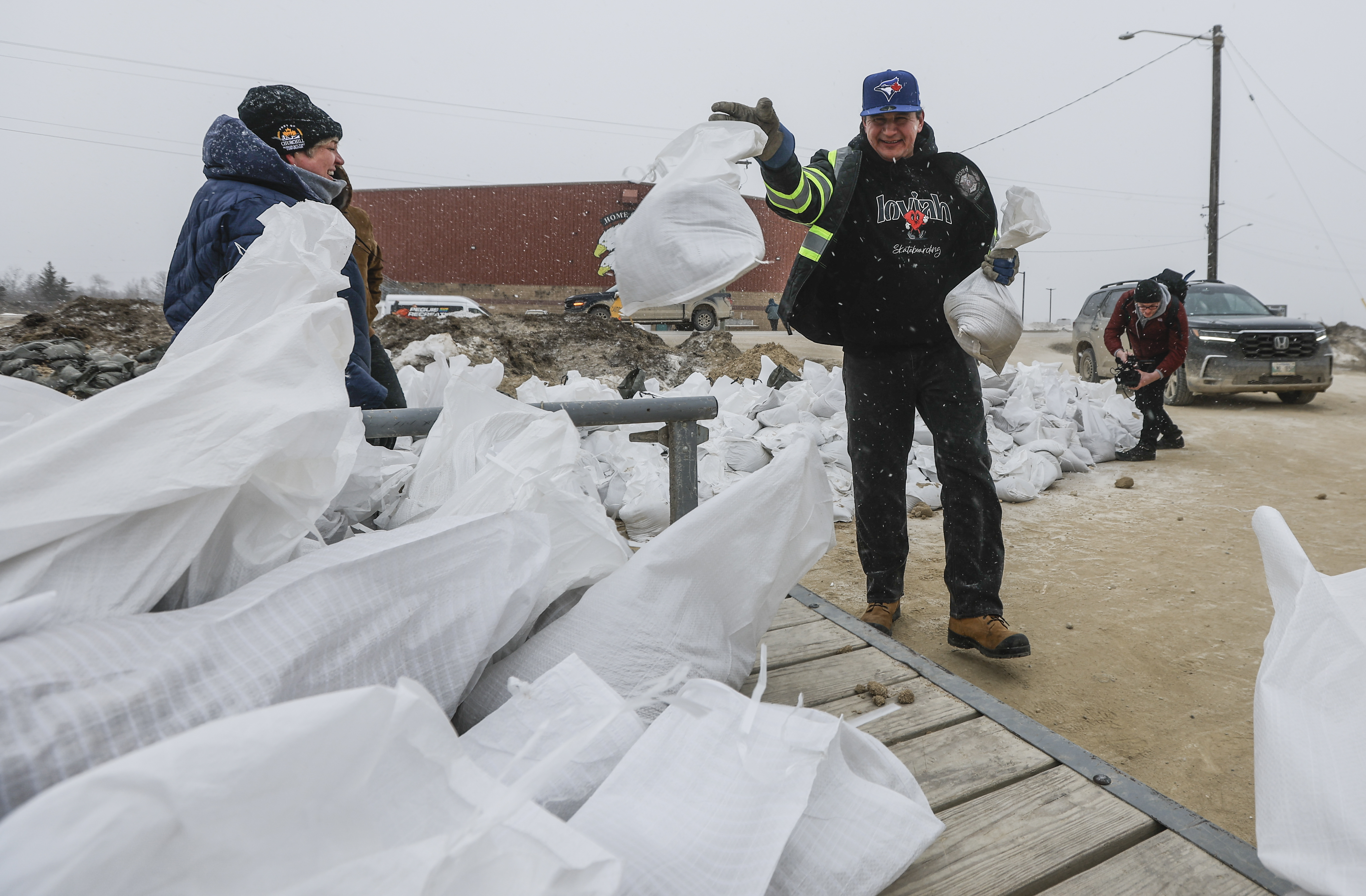
While specific details about Manitoba’s situation are not elaborated upon in the provided information, its inclusion in the broader context of spring flood preparations is notable. This suggests that the combination of lingering winter snowpack, which will eventually melt, and the current rainfall is creating a concerning scenario across a significant swathe of the country. As temperatures rise and the spring melt intensifies, the already saturated ground in many regions will struggle to cope. This could lead to a confluence of factors that significantly increase the risk of flooding, impacting transportation networks, agricultural lands, and residential areas. The proactive stance of preparing for these events, even before they fully materialize, speaks to the resilient nature of Canadians and their understanding of seasonal environmental challenges. The coming weeks will be crucial in determining the extent of any flooding and the effectiveness of the preparatory measures undertaken.
Source: [URL of original article]