

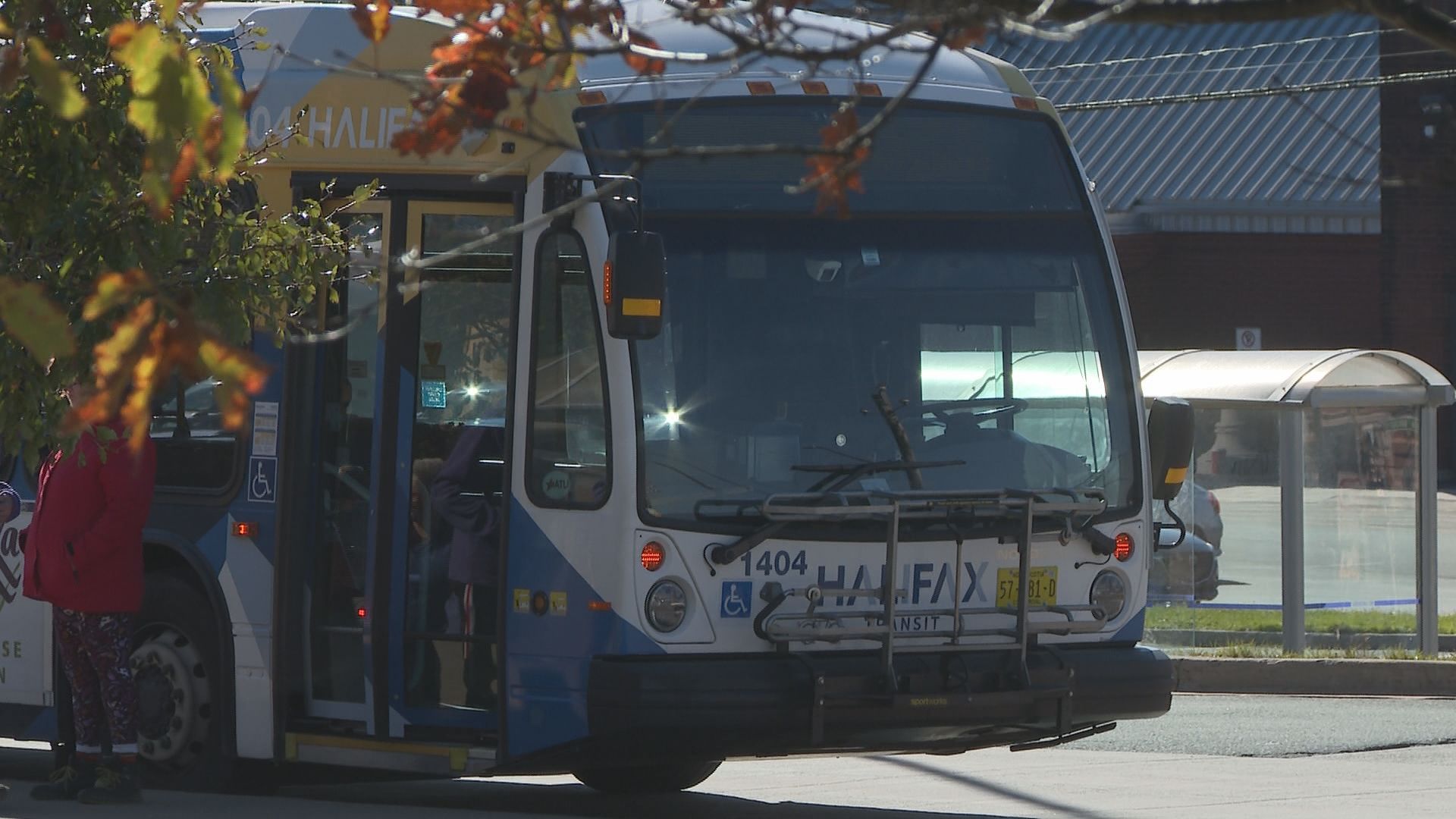
Rural communities across Nova Scotia are eagerly anticipating the potential rollout of a new inter-municipal transit system, a development many are calling a “game-changer.” The proposal, aimed at connecting smaller towns and villages that have historically been underserved by public transportation, has been met with widespread enthusiasm from residents who stand to benefit most.
A Vision for Enhanced Connectivity
The concept of an inter-municipal transit system has been a topic of discussion for some time, but recent moves suggest it may soon become a reality. For many living outside of major urban centres, reliable and affordable transportation options are scarce. This lack of connectivity can present significant hurdles for individuals seeking employment, accessing healthcare services, or simply participating in community life. The proposed system promises to bridge these gaps, offering a much-needed lifeline to these often-isolated areas.
Those who could benefit from this initiative are applauding the move and expressing a strong desire for it to take shape swiftly. The prospect of a new transit system is more than just a convenience for them; it represents an opportunity for greater independence and inclusion. For seniors who may no longer drive, for young people seeking to expand their horizons, and for families juggling multiple appointments, the availability of regular, accessible public transport could fundamentally improve their quality of life. The anticipation in these communities is palpable, with many seeing this as a crucial step towards more equitable development across the province.
Hopes for a Smoother Journey
The potential impact of a robust transit system extends beyond individual mobility. It can also foster economic growth by making it easier for people to commute to jobs and for businesses to attract a wider pool of talent. Furthermore, it can contribute to environmental goals by offering an alternative to single-occupancy vehicles, thereby reducing carbon emissions.
While the specifics of the system’s routes, frequency, and funding are still being ironed out, the initial reception from the public underscores the pressing need for such a service. The current transportation landscape in many rural Nova Scotian communities is characterized by limited bus routes, expensive taxi services, or a complete absence of public options. This has often led to a sense of being disconnected from essential services and broader provincial opportunities. The move towards an inter-municipal transit system signals a growing recognition of these challenges and a commitment to finding practical, community-focused solutions. I think this signals a positive shift in how we think about transportation equity in our more remote regions.
The coming months will be crucial as the provincial government and local municipalities work to finalize plans and secure the necessary resources. However, the overwhelming optimism from residents suggests a strong foundation of public support for this transformative initiative.