
Hormuz Strait Declared Open, Signalling Potential Global Economic Relief
Tehran, Iran – In a significant announcement that could reshape global energy markets and ease economic anxieties, Iran has declared the Strait of Hormuz now “completely open” for commercial shipping. This declaration marks a pivotal moment, potentially signalling a de-escalation in the prolonged tensions between Iran, the United States, and Israel. For months, disruptions and threats surrounding this vital waterway have sent energy prices soaring and cast a shadow over the global economy.
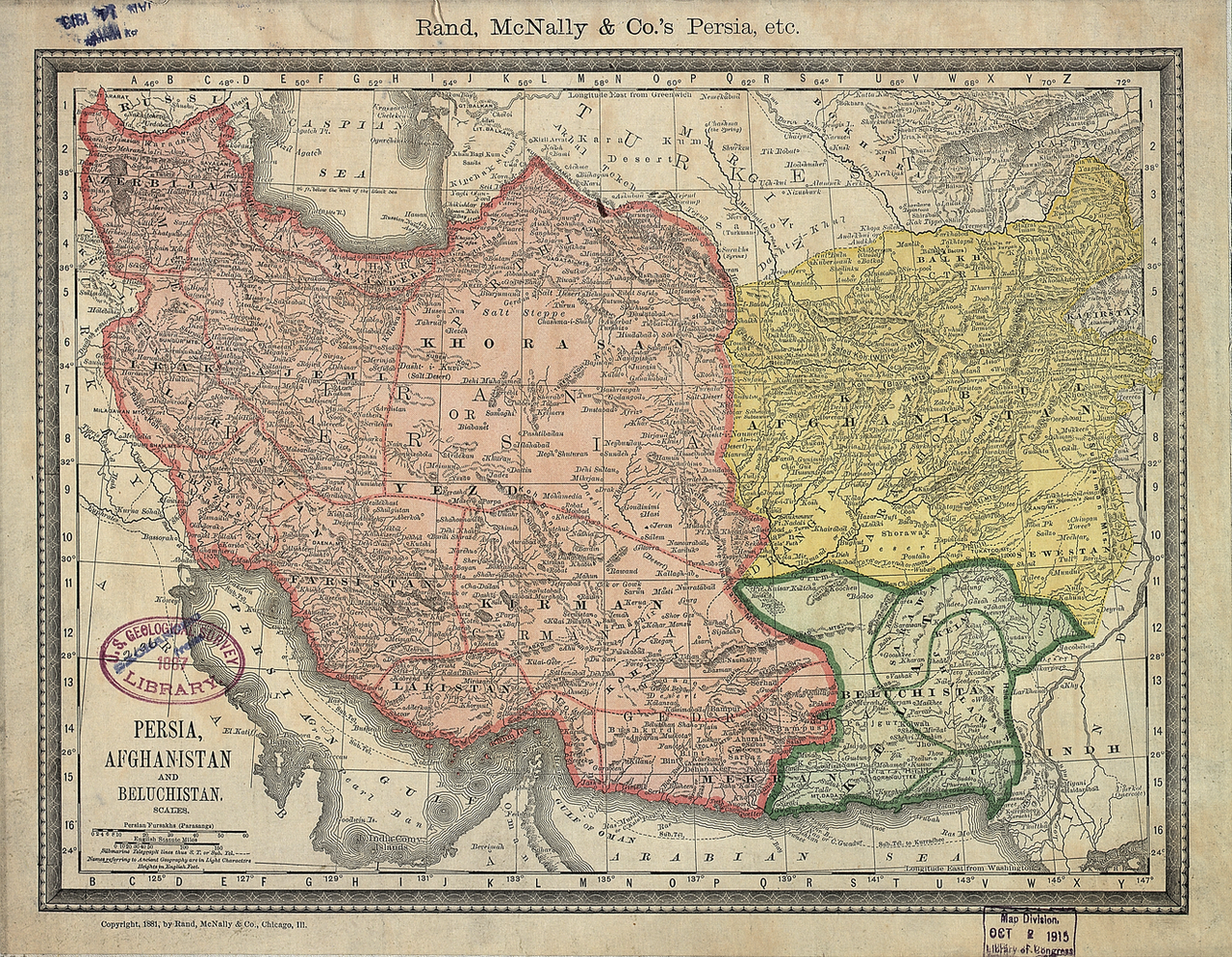
The Strait of Hormuz, a narrow channel connecting the Persian Gulf to the open ocean, is one of the world’s most critical maritime chokepoints. Approximately 20 per cent of the world’s total petroleum liquids supply, including crude oil and refined petroleum products, pass through this strategic passage annually. Any impediment to its smooth operation has immediate and far-reaching consequences for international trade and consumer prices. The recent period of heightened tension has exacerbated these concerns, leading to increased uncertainty and volatility in oil and gas markets.
A Step Towards De-escalation
Iran’s move to fully reopen the strait to commercial traffic is being widely interpreted as a deliberate step towards easing these international pressures. The announcement implies a commitment to restoring normalcy to a vital artery of global commerce. While the exact nature of the diplomatic or military understandings that may have underpinned this decision remains subject to analysis, the practical impact on shipping and energy markets is expected to be substantial. Analysts are closely watching for confirmation from international maritime organizations and the response from the involved nations.
The economic implications of this development could be profound. Surging energy prices have contributed to inflation worldwide, impacting household budgets and business operating costs. A stable and open Strait of Hormuz would likely alleviate some of these pressures, potentially leading to a reduction in fuel costs for consumers and businesses alike. Furthermore, the decreased geopolitical risk associated with the strait could encourage greater investment and trade in the region.
Analysing the Global Impact
The situation in the Strait of Hormuz has always been a critical factor for the global energy landscape. Its strategic location means that any conflict or significant tension there can quickly translate into higher prices at the pump and broader economic instability. This latest announcement, if sustained and corroborated by actions on the ground, offers a much-needed glimmer of hope for a more stable economic future.
The implications for Canada, as a major energy producer and a nation with strong international trade ties, are also noteworthy. Reduced global energy price volatility can have a positive effect on our economy, influencing everything from transportation costs to the competitiveness of our industries. It is crucial for Canadian businesses and consumers to understand the evolving dynamics of this key global chokepoint and the potential benefits of its secure operation. I think this signals a potentially more favourable environment for global trade and economic recovery, provided the de-escalation efforts hold.
Source: Iran Says Hormuz Strait Now Completely Open for Commercial Ships