
Iran has signalled a potentially significant de-escalation in regional tensions, announcing it will keep the critical Strait of Hormuz open throughout a proposed 10-day ceasefire between Israel and Hezbollah in Lebanon. This offer, presented as a gesture to foster peace, has immediately captured the attention of international markets and diplomatic circles, particularly given the waterway’s vital role in global energy trade.
A Crucial Waterway and a Peace Offering
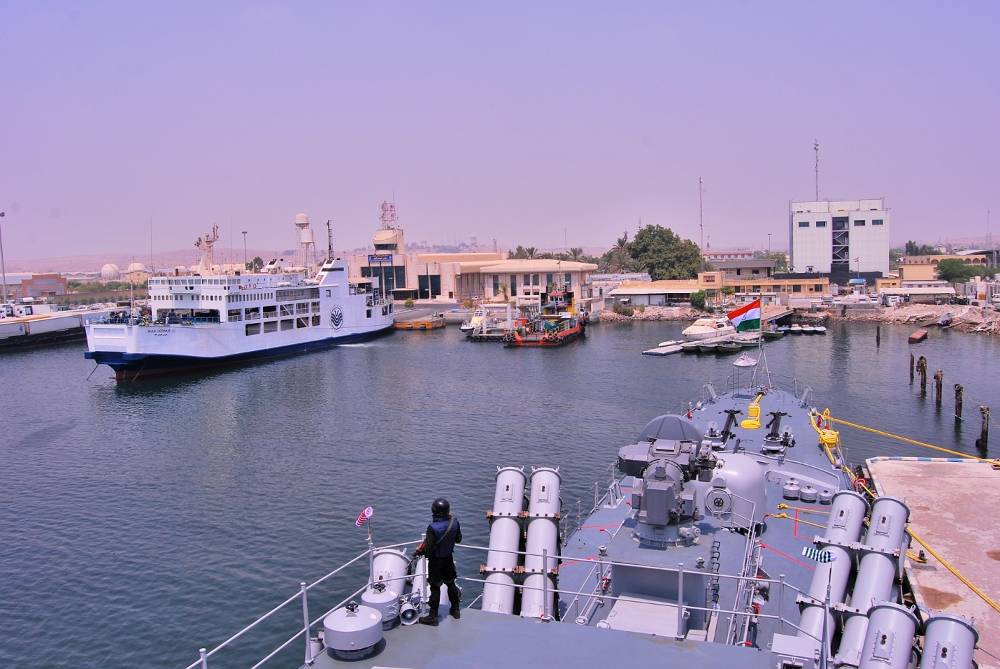
The Strait of Hormuz, a narrow passage between Iran and Oman, is one of the world’s most important oil transit chokepoints. A substantial portion of the world’s crude oil and liquefied natural gas passes through its waters daily. Any disruption here can have immediate and far-reaching economic consequences, impacting everything from gasoline prices at the pump to industrial production.
By linking the opening of this vital passage to a ceasefire in Lebanon, Iran is framing its actions as a direct contribution to regional stability. This move suggests a desire to move beyond direct confrontation and explore avenues that could lead to a more comprehensive peace settlement. The duration of the proposed ceasefire, 10 days, provides a focused window for de-escalation and dialogue.
Global Economic Implications and Canadian Interest
The economic implications of this announcement are substantial. Analysts will be closely observing Iran’s adherence to its promise, as well as the broader diplomatic fallout. Canada, as a nation with significant trade interests and a commitment to global stability, will be monitoring these developments with keen interest. Fluctuations in global energy prices, which can be directly influenced by events in the Strait of Hormuz, affect Canadian consumers and businesses.
While the source material does not explicitly detail specific Canadian government responses or analyses, it is reasonable to infer that Ottawa, along with other G7 nations, will be carefully assessing the sincerity and impact of Iran’s declaration. The promise to keep the Strait open, if honoured, could provide a much-needed breathing room for global markets, allowing for a more predictable flow of essential commodities. This is a developing story, and further details are expected to emerge as the situation unfolds.
A Diplomatic Gambit
The strategic decision by Iran to tie the Strait of Hormuz’s openness to a ceasefire in Lebanon represents a notable diplomatic gambit. It places Iran in a position of potential influence over regional security, while simultaneously addressing concerns about global economic stability. The success of this initiative will likely depend on the willingness of all parties involved to observe the ceasefire and engage in constructive dialogue. This development could be a catalyst for broader peace efforts, but its ultimate impact remains to be seen.
Source: Iran Says Hormuz to Open During Lebanon Truce in Boost for Peace