
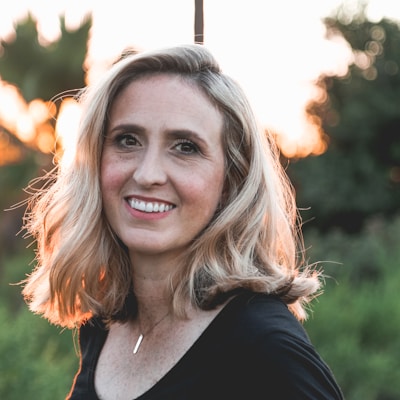

A physician who arrived in Canada as a refugee, and who found love and opportunity in her new home, is expressing growing dismay over the country’s evolving approach to refugee healthcare. Dr. Elham Ahmadi, a family doctor practicing in Toronto, is witnessing firsthand how new co-payment models for prescription drugs and supplemental health services are creating significant obstacles for newcomers, potentially eroding the very support that enabled her own successful integration.
A Shift in Support Systems
Under a new co-payment model, refugees are now required to pay $4 for each prescription and 30 per cent of the costs associated with supplemental services. This policy shift marks a departure from previous systems that offered more comprehensive coverage for these essential needs. Dr. Ahmadi, who came to Canada from Afghanistan, remembers the profound impact of the support she received upon arrival. “I felt love in Canada as a refugee,” she told Fine Times Canada. Now, observing the struggles of her patients, she feels a growing sense of disillusionment. “As a doctor, she’s losing hope for newcomers,” she stated, highlighting the stark contrast between her own experience and the current reality for many.
Advocates Sound the Alarm
Critics and advocates argue that the co-payment model places an undue burden on individuals who are often fleeing trauma, struggling with language barriers, and navigating a new economic landscape. They contend that these new financial requirements can inadvertently deter refugees from seeking necessary medical attention, leading to poorer health outcomes and potentially greater long-term costs to the healthcare system. The argument is that refugees, many of whom are still establishing financial stability, should not face immediate out-of-pocket expenses for essential medications and treatments. Advocates maintain that this approach is unfair and counterproductive to fostering successful settlement.
Dr. Ahmadi’s personal journey underscores the importance of accessible healthcare in the settlement process. Her own positive experience of feeling supported and welcomed has given way to concern that current policies may be creating a less hospitable environment for those arriving today. The fear is that these financial barriers could impede refugees’ ability to fully participate in Canadian society, impacting not only their physical and mental well-being but also their capacity to contribute to their new communities. The question remains whether these policy changes will ultimately benefit newcomers or create additional hurdles in their path to a secure and healthy future in Canada.
Source: [Link to original article]


