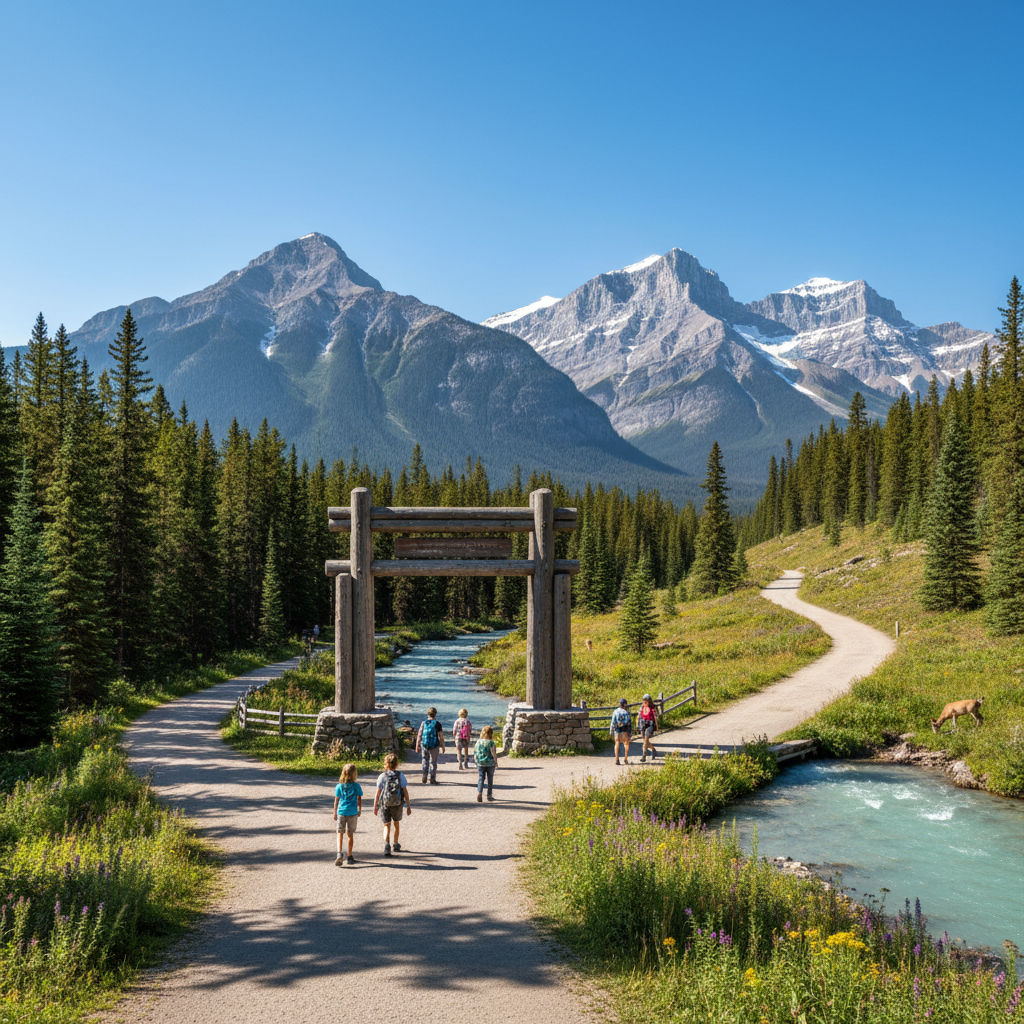
Environment and Climate Change Minister Steven Guilbeault announced on May 22 that entry fees for all Parks Canada-administered national parks, historic sites and marine conservation areas will remain frozen at current levels through the end of 2027, reversing a previously scheduled increase set to take effect this year.
The federal government also unveiled new discounted multi-park passes targeting families, seniors and low-income visitors, along with a pilot program offering free admission days connected to local school curricula. The measures represent Ottawa's latest effort to make Canada's natural spaces more accessible while encouraging domestic tourism as visitation numbers continue to trail pre-pandemic levels in several regions.
New Pass Options Target Different Demographics
The discount pass program introduces tiered pricing structures designed to reduce barriers for specific groups. Families will gain access to multi-park passes at reduced rates, while seniors and low-income visitors qualify for additional discounts beyond the standard fee structure. The free admission pilot program will coordinate with local school boards to align visits with curriculum requirements, potentially exposing students to national parks as educational resources.
Parks Canada has not yet released specific pricing details for the new passes or identified which parks will participate in the school-focused pilot program. The agency said it expects to announce participating sites and pricing structures in the coming weeks as the 2026 summer season approaches.
Revenue Shortfall to Be Offset Through Operational Changes
Parks Canada acknowledged the fee freeze will create a revenue shortfall but said it plans to offset foregone income through internal efficiencies and a modest increase in concession lease rates at high-traffic sites. The agency operates concessions including campgrounds, restaurants and retail outlets at popular destinations like Banff and Jasper national parks, where visitor volumes generate substantial lease revenue from private operators.
The approach reflects a shift in how Parks Canada balances conservation funding with public access, particularly as the agency faces ongoing pressure to maintain facilities and services across 37 national parks and 171 historic sites nationwide. Guilbeault framed the revenue strategy as sustainable, suggesting that increased visitation driven by lower fees could generate offsetting income through concessions and related services.
Domestic Tourism Push Addresses Post-Pandemic Visitor Patterns
The fee freeze forms part of Ottawa's broader strategy to boost domestic tourism as international travel patterns continue to evolve following the pandemic. Several Parks Canada sites have reported visitor numbers that remain below 2019 levels, particularly in regions heavily dependent on international tourists who have been slower to return to pre-pandemic travel habits.
Guilbeault positioned the measures as both an affordability initiative for Canadian families and a climate policy tool, encouraging low-carbon, nature-based tourism at home rather than long-haul flights abroad. The minister suggested that making national parks more accessible could help Canadians develop stronger connections to natural spaces while reducing the carbon footprint associated with international vacation travel.
Implementation Timeline Extends Through Canada Parks Year
The fee freeze will remain in effect through December 2027, covering what Parks Canada has designated as a special recognition year for the national park system. The timing allows the agency to evaluate whether reduced fees translate into measurably higher visitation and whether the new pass structures successfully reach their intended demographics.
Parks Canada said it will monitor visitor data throughout the freeze period to assess the policy's effectiveness in achieving both accessibility and conservation goals. The agency plans to review the fee structure in late 2027 to determine whether permanent changes are warranted based on visitor response and revenue performance, according to the CBC report.
The announcement comes as Parks Canada prepares for what officials expect to be a busy summer season, with early booking data suggesting increased interest in domestic travel options among Canadian families seeking affordable vacation alternatives.