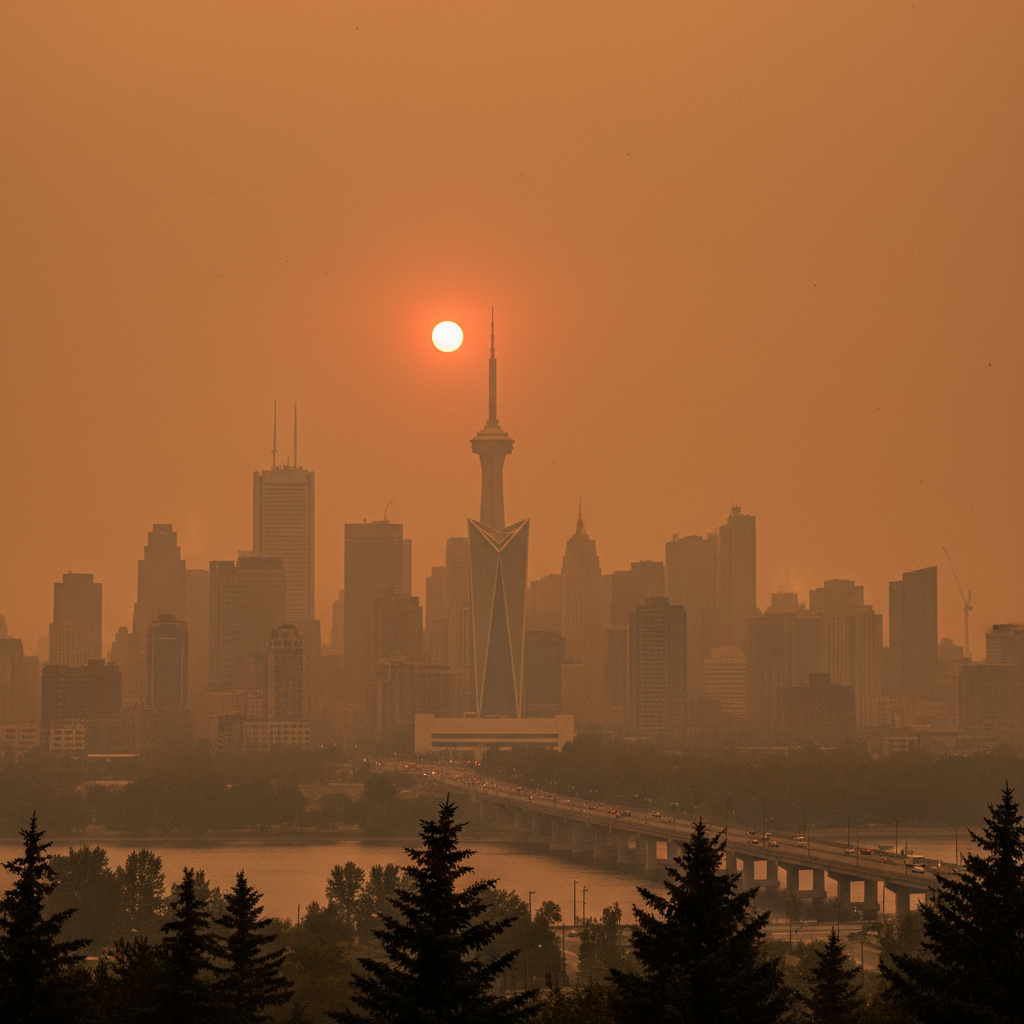
Health Canada released new research on July 3 estimating that smoke from Canada's devastating 2023 wildfire season caused hundreds of excess deaths and tens of thousands of additional emergency room visits nationwide. The federal analysis used updated modelling of fine particulate matter exposure across multiple provinces during the unprecedented fire season that burned over 18 million hectares.
The health impacts were most severe in Ontario, Quebec and the Prairie provinces, according to the report. Vulnerable populations including seniors, children and people with pre-existing heart and lung disease bore the brunt of the smoke-related health consequences.
Tracking PM2.5 exposure across provinces
Researchers used advanced modelling to track fine particulate matter (PM2.5) exposure levels across Canada during the 2023 fire season. The analysis represents the most comprehensive federal assessment to date of how wildfire smoke translates into measurable health outcomes for Canadians.
The 18 million hectares burned in 2023 made it one of the worst wildfire seasons on record, with thick smoke blanketing major population centres for weeks at a time. Cities from Toronto to Winnipeg experienced air quality readings that reached hazardous levels multiple times throughout the summer months. The Air Quality Health Index frequently hit 10+ ratings across affected regions, prompting widespread health warnings and recommendations for vulnerable populations to remain indoors.
Health Canada's modelling tracked daily PM2.5 concentrations and correlated them with hospital admission data, emergency department visits, and mortality statistics across the affected provinces. The research team analyzed exposure patterns from May through October 2023, covering the full duration of the extended fire season that saw multiple waves of smoke events affecting different regions at different times.
Vulnerable groups face highest risks
The Health Canada findings confirm that certain populations face disproportionate risks during extreme smoke events. Seniors and children showed the highest rates of smoke-related health impacts, along with individuals already managing cardiovascular or respiratory conditions.
Emergency departments across the affected provinces reported surge patterns consistent with the modelled exposure data, particularly for respiratory complaints and cardiac events during peak smoke periods. The research provides the first federal quantification of these patterns on a national scale.
Indigenous communities in northern Ontario and Saskatchewan experienced some of the most severe and prolonged smoke exposure, according to the analysis. Many remote communities lacked adequate air filtration systems in public buildings, compounding health risks for residents who had limited options for clean air shelter during extended smoke events.
The report noted that people with asthma, chronic obstructive pulmonary disease, and heart conditions experienced emergency department visit rates up to three times higher than baseline levels during peak smoke periods. Children under five and adults over 65 showed the most pronounced increases in respiratory-related hospital admissions.
Provincial health systems overwhelmed
Hospital systems in Ontario, Quebec, Alberta, Saskatchewan and Manitoba reported significant strain during the worst smoke periods of 2023. Emergency departments in cities like Ottawa, Montreal, Calgary and Saskatoon saw respiratory-related visits spike by 40-60% during peak exposure days.
Quebec's health ministry documented particular challenges in the province's northern regions, where multiple wildfires created persistent smoke conditions for over six weeks. Several hospitals in the affected areas had to implement surge protocols typically reserved for major emergencies.
The analysis revealed that health system impacts extended beyond emergency care, with family physicians and walk-in clinics reporting increased visits for asthma exacerbations, eye irritation, and other smoke-related symptoms throughout the fire season.
Preparing for future fire seasons
Health Canada intends to use the findings to guide future public health advisories, air quality standards and wildfire preparedness planning. The analysis comes as climate scientists predict more frequent and intense wildfire seasons in the coming decades.
The research methodology will help provincial health authorities better predict and respond to smoke exposure risks in their regions. Officials noted that improved early warning systems and targeted public health messaging for vulnerable populations could reduce future health impacts.
Federal health officials are working with provinces to establish standardized protocols for smoke exposure response, including guidelines for when to open public clean air shelters and how to prioritize vulnerable populations during extended smoke events. The government is also exploring funding mechanisms to help communities install air filtration systems in public buildings.
According to the CBC report, the analysis represents a significant advancement in Canada's ability to quantify wildfire smoke health impacts in real time.
What this means for Canadians
The Health Canada analysis provides concrete evidence that wildfire smoke poses serious health risks beyond the obvious discomfort of poor air quality days. For Canadians living in fire-prone regions, the findings underscore the importance of having air purifiers, masks and indoor shelter plans ready before smoke arrives.
Provincial health authorities are expected to use the research to refine their air quality advisory systems and emergency response protocols. The federal government has indicated the modelling approach will be deployed during future fire seasons to provide real-time health impact estimates to guide public health decisions.
The 2024 fire season has already begun across western Canada, with early fires in British Columbia and Alberta prompting health officials to issue the first smoke advisories of the year. Health Canada's new modelling system will be tested in real-time as conditions develop, potentially providing more precise health impact predictions to help Canadians make informed decisions about outdoor activities and protective measures.