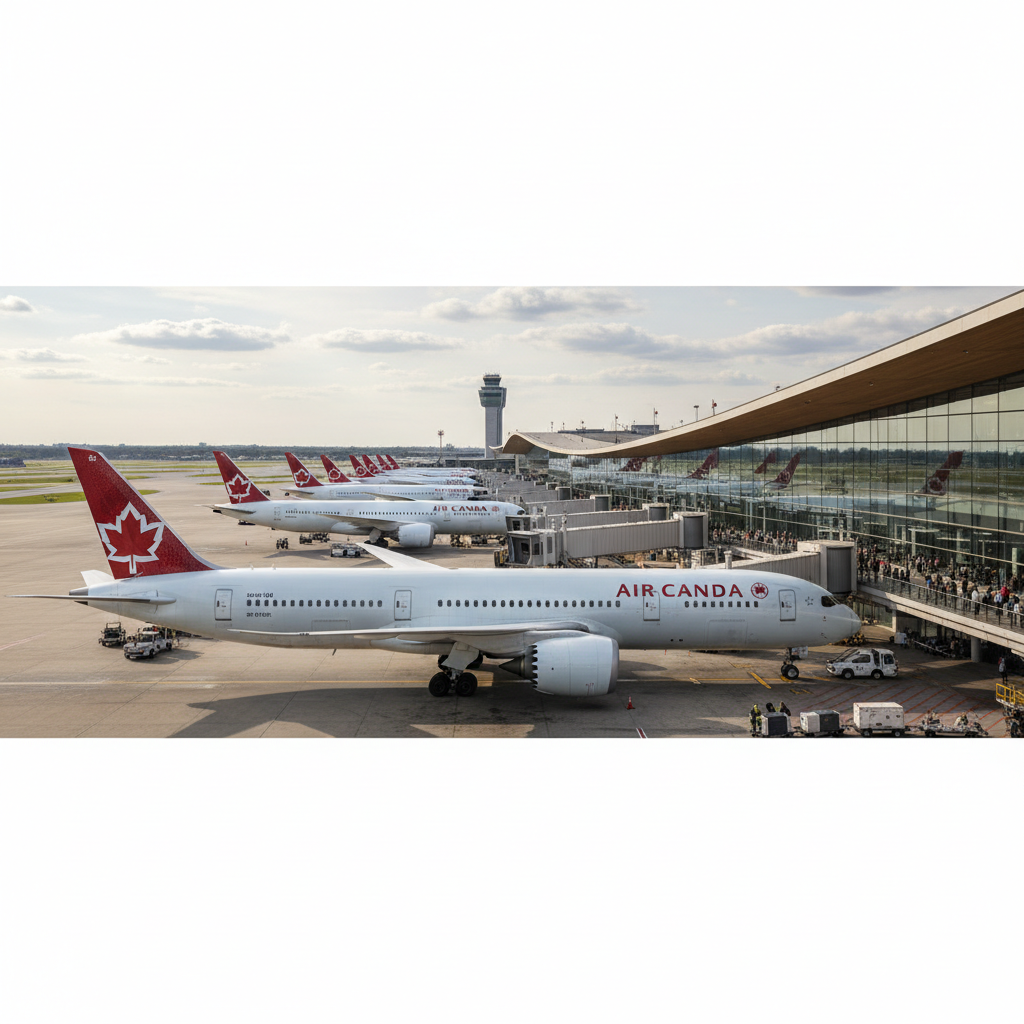
Air Canada faces a record $97-million administrative monetary penalty from the Canadian Transportation Agency for systematically violating federal passenger protection rules over several years. The regulator announced the fine on July 4, alleging the airline deliberately misclassified flight disruptions as outside its control to deny passengers compensation and rebooking rights.
The penalty stems from thousands of complaints filed by travellers who were denied compensation during widespread delays and cancellations, particularly during post-pandemic travel surges when air traffic returned to pre-COVID levels.
Widespread Pattern of Violations Alleged
The CTA's investigation found that Air Canada routinely classified flight disruptions as extraordinary circumstances beyond the airline's control, even when the delays or cancellations were caused by factors within the company's responsibility. Under Canada's Air Passenger Protection Regulations, airlines must compensate passengers up to $1,000 for delays and cancellations caused by issues within their control, such as crew scheduling problems or mechanical issues that could have been prevented with proper maintenance.
The regulator documented cases where passengers were wrongly denied compensation for disruptions that should have qualified under federal rules. The violations occurred over multiple years, affecting thousands of Canadian travellers who filed formal complaints with the CTA seeking the compensation they were owed.
Air Canada Signals Potential Appeal
Air Canada responded to the penalty by stating it would review the CTA's decision and consider its options, which could include filing an appeal. The airline has not admitted wrongdoing and maintains the right to challenge the regulator's findings through the federal court system.
The $97-million fine represents the largest administrative monetary penalty ever imposed by the Canadian Transportation Agency against an airline. Previous penalties for passenger rights violations have typically ranged in the hundreds of thousands of dollars, making this enforcement action unprecedented in Canadian aviation regulation.
Reinforcing Federal Passenger Rights Rules
The CTA emphasized that the record penalty serves as a clear message to all airlines operating in Canada that they must comply with federal passenger protection regulations. The Air Passenger Protection Regulations, which came into effect in 2019, established minimum compensation standards and service requirements that airlines must meet when flights are delayed, cancelled, or overbooked due to reasons within their control.
Under these rules, passengers are entitled to compensation ranging from $400 to $1,000 depending on the length of delay, plus rebooking on the next available flight or a full refund if they choose not to travel. Airlines must also provide meal vouchers, hotel accommodation, and ground transportation when delays extend overnight.
The case highlights ongoing tensions between airlines and regulators over how flight disruptions are classified. Airlines have frequently argued that crew shortages, air traffic control delays, and other operational challenges should be considered extraordinary circumstances, while passenger advocates and regulators maintain that many of these issues fall within airline control and responsibility.
The penalty follows a period of intense scrutiny of airline practices during the post-pandemic recovery, when flight cancellations and delays reached historic levels across Canada. Passenger complaints to the CTA surged as travellers faced widespread disruptions while airlines rebuilt their operations after COVID-19 travel restrictions were lifted.
According to the CBC report, the fine represents the federal government's most aggressive enforcement action to date under the passenger protection framework introduced five years ago.
Impact on Future Airline Practices
The record penalty could signal a shift toward stricter enforcement of passenger rights regulations across the Canadian aviation industry. Other airlines will likely review their own classification practices for flight disruptions to avoid similar penalties from the CTA.
For Canadian travellers, the enforcement action may lead to more consistent application of compensation rules and fewer instances of wrongful denial of passenger rights claims. The CTA's willingness to impose such a substantial penalty demonstrates that systematic violations of federal regulations will face serious financial consequences.
The case will likely influence how airlines handle future disruptions and communicate with passengers about their rights to compensation. Airlines may need to invest more resources in proper staff training and systems to ensure accurate classification of flight disruptions under federal rules.