

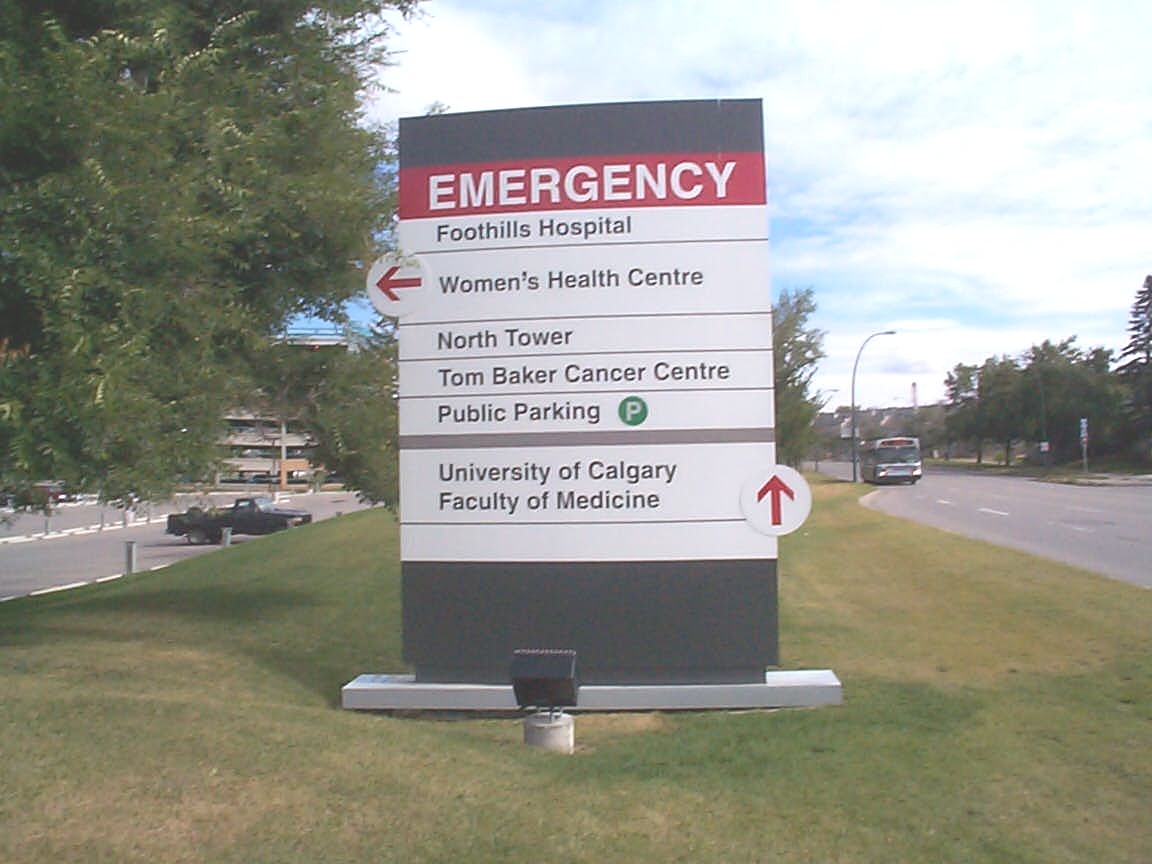
Alberta is grappling with an unprecedented influenza surge that has pushed the province’s healthcare system to its breaking point. Health officials report that the H3N2 strain is responsible for 99.4% of influenza cases, marking one of the most severe flu seasons the province has experienced in recent memory.
Hospitalizations Spike Across Province
The numbers paint a stark picture of the crisis facing Alberta’s healthcare infrastructure. The province has recorded over 300 hospitalisations and six deaths in early December alone, representing a 70% jump in cases compared to previous weeks. Emergency departments across major urban centres have issued urgent warnings, asking residents to avoid coming to ERs unless their conditions are truly critical.
Hospital administrators describe unprecedented strain on resources, with intensive care units operating near or at capacity. The rapid escalation has forced healthcare facilities to implement emergency protocols and redeploy staff from other departments to manage the influx of severely ill patients.
Vulnerable Populations Bear the Brunt
Young children and seniors have emerged as the demographics most severely affected by this year’s influenza outbreak. Paediatric wards have seen a particular surge in admissions, with many children requiring respiratory support and extended hospital stays. The vulnerability of these age groups to the H3N2 strain has compounded the pressure on Alberta’s already strained healthcare system.
Public health experts attribute the severity partly to reduced immunity levels in the population. Many Albertans may have missed regular flu exposures during the pandemic years, leaving immune systems less prepared for this season’s particularly aggressive strain.
Public Health Response and Recommendations
Alberta Health Services has ramped up its public messaging campaign, urging residents who haven’t yet received their flu vaccination to do so immediately. While this year’s vaccine may not perfectly match the circulating strain, health officials emphasise that it still provides crucial protection against severe outcomes.
Healthcare authorities are also advising the public to practise rigorous hygiene measures, including frequent handwashing, staying home when ill, and wearing masks in crowded indoor settings, particularly when visiting vulnerable individuals. Pharmacies across the province report increased demand for flu vaccines, though some locations are experiencing temporary shortages due to the surge in public awareness.
Looking Ahead
As Alberta moves deeper into winter, health officials warn that the crisis may worsen before it improves. The province’s experience serves as a cautionary tale for other Canadian jurisdictions, with neighbouring provinces monitoring the situation closely and preparing their own healthcare systems for potential similar surges.
The situation underscores ongoing challenges facing Canada’s healthcare infrastructure and the critical importance of preventive health measures during respiratory illness season. For many Albertans, this flu season has become a stark reminder that infectious diseases remain a serious public health threat requiring sustained vigilance and community cooperation.


