The Canadian Armed Forces has announced a significant expansion of Arctic patrol operations, including increased naval deployments, enhanced surveillance capabilities, and acceleration of plans to acquire new icebreaker vessels capable of year-round Arctic operations.
Chief of Defence Staff General Michael Patterson announced the expanded Arctic strategy during testimony before Parliament’s Standing Committee on National Defence, citing increasing international activity and interest in the Arctic region as justification for the enhanced presence.
“The Arctic is increasingly contested,” Patterson said. “We are seeing heightened activity from multiple nations, climate change opening new sea routes, and growing resource development pressure. These developments require that Canada maintain an increased and visible military presence in our Arctic.”
The announcement came amid broader geopolitical tensions in the Arctic, where Russia has been conducting military exercises, China has expressed interest in Arctic development, and the United States has been re-evaluating its Arctic presence.
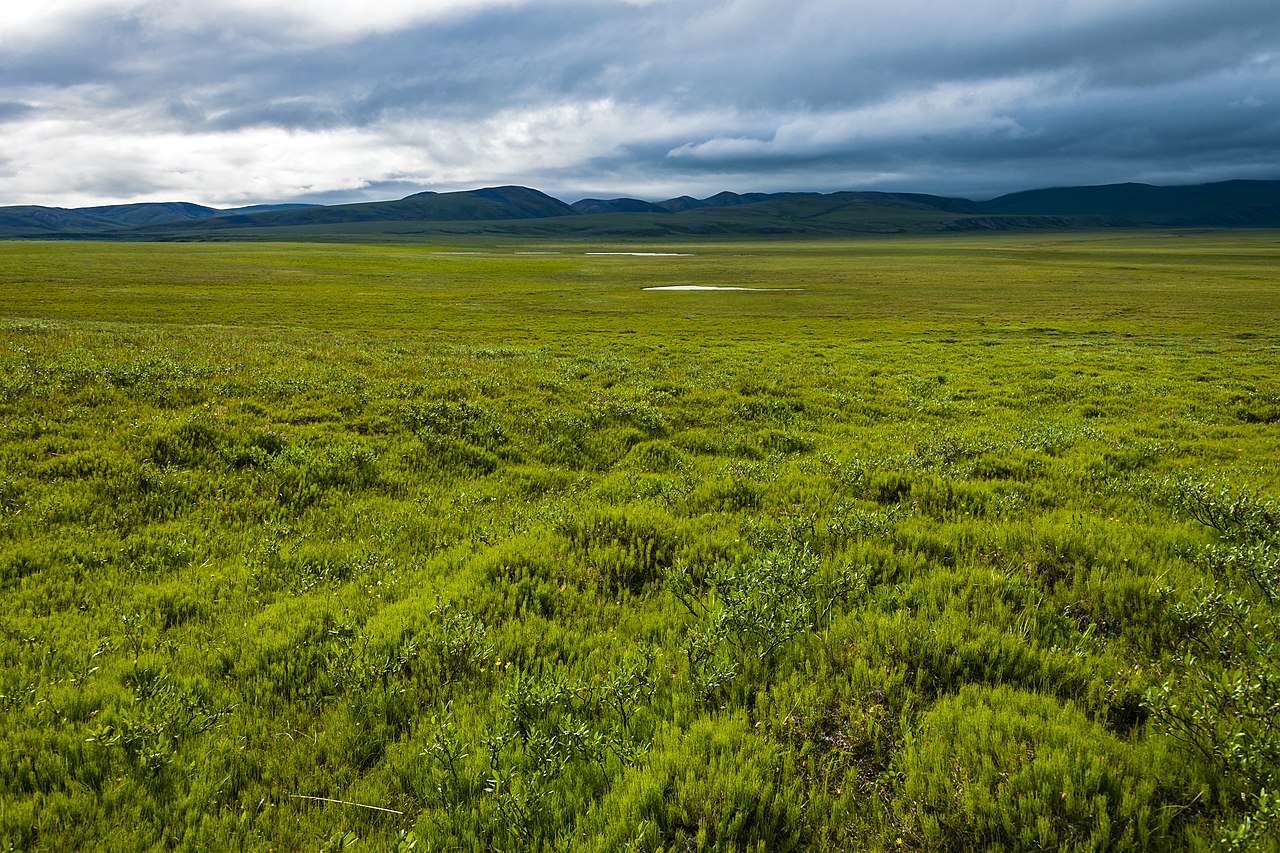
Canada’s Arctic territory comprises 40% of the nation’s landmass but is home to fewer than 120,000 people. Sovereignty over the region has become increasingly important as climate change melts sea ice, potentially opening the Northwest Passage to regular commercial traffic.
“Arctic sovereignty is essential to Canadian sovereignty overall,” noted Dr. Robert Chen, Arctic Affairs Specialist at the University of British Columbia. “The Canadian Arctic contains tremendous resources: oil, gas, minerals, and fish stocks. Maintaining an effective Canadian presence ensures that Canada, not other nations, benefits from those resources and retains control over Arctic territory.”
The Canadian Forces plan to increase patrol frequency in Arctic waters, with Coast Guard and Navy vessels expanding their operational schedules. The initiative will include enhanced icebreaker deployments extending patrol seasons into the shoulder months.
The Canadian government is also accelerating procurement of new icebreakers. The Arctic Offshore Patrol Ships, which have been under development for several years, are being prioritized in budget allocations. Additionally, a new program to acquire heavy icebreaker vessels capable of year-round operations is being expedited.
“New icebreaker capabilities are essential because current vessels have significant operational limitations,” Patterson explained. “Modern icebreakers would allow us to maintain presence and conduct operations during winter months when Arctic ice is thickest. This is when sovereignty is most important because it’s when others cannot easily challenge our presence.”
The announcement also included expansion of Arctic surveillance capabilities, including enhanced satellite monitoring, increased aerial patrol, and improved early warning systems. Investment in Arctic research facilities and personnel training has also been committed.
The initiative represents a substantial increase in Canadian defense spending focused on Arctic operations. Opposition parties questioned whether the proposed funding levels were sufficient to adequately defend Canadian interests.
“While the government’s commitment to increased Arctic presence is welcome, the proposed spending remains far below what military analysts assess as necessary for meaningful year-round operations,” noted Marcus Webb, Defense Analyst with the Canadian Institute of Strategic Studies. “Russia is spending substantially more on Arctic military development. If we’re serious about sovereignty, we need to invest accordingly.”
The Arctic strategy also includes civilian components, including expanded funding for scientific research, indigenous community engagement, and economic development in northern regions.
Canadian indigenous leaders, whose communities inhabit the Arctic, have called for meaningful consultation about Arctic development and military operations. The government has committed to enhanced engagement with Inuit and other northern indigenous groups.
“Arctic communities must be partners in developing Arctic policy,” stated Leah Miriam, President of the Inuit Tapiriit Kanatami. “Our ancestors have lived sustainably in the Arctic for thousands of years. Our knowledge and leadership are essential to sound Arctic policy.”
The expanded Arctic operations will also support the Canadian Coast Guard’s expanded search and rescue presence in northern waters. As shipping interest in Arctic routes increases, capacity for emergency response becomes increasingly important.
The announcement reflects growing recognition among Canadian policymakers that the Arctic is moving from the periphery of geopolitical interest to the center. Climate change, resource development, and great power competition are all focusing unprecedented attention on the region.
“Arctic sovereignty will be the major national security issue of the 21st century,” General Patterson suggested. “The government is taking that reality seriously. The question is whether we’re doing enough, quickly enough.”
Financial markets reacted positively to the announcement, with defense contractors and resource development companies linked to Arctic development experiencing stock price increases. Investors viewed the expanded military presence as supportive of the regulatory and security environment necessary for major Arctic resource projects.